

Medical Air Testing: Standards, Systems & Compliance

Table of Contents

Medical air is one of the few utilities in a healthcare facility that patients may inhale directly. When a ventilator, anesthesia machine, or respiratory therapy device is connected to a medical air outlet, clinicians trust that the gas being delivered is clean, compliant, and safe.
That trust depends on more than compressors and filters. Carbon monoxide can enter through a poorly located intake, moisture can accumulate when dryers fail, and particulates can damage sensitive equipment. Because many contaminants are invisible, healthcare facilities rely on testing to verify air quality and document compliance.
Medical air testing serves two critical purposes: protecting patient safety and demonstrating compliance with standards such as NFPA 99, United States Pharmacopeia (USP) , and accreditation expectations. This guide explains how medical air systems work, where contamination occurs, which contaminants require monitoring, and what healthcare organizations should look for in a qualified testing partner.
Key Takeaways
- Medical air is a regulated medical gas. Because it may be inhaled directly by patients, it must meet strict purity standards and compliance requirements.
- Contamination can occur throughout the system. Compressor intakes, filtration equipment, dryers, storage vessels, and distribution piping all present potential risks.
- Testing verifies both safety and compliance. Carbon monoxide, hydrocarbons, moisture, nitrogen oxides, and particulate matter are among the contaminants routinely evaluated.
- NFPA 99, USP, Joint Commission, and DNV all emphasize documentation and verification. Facilities must be able to demonstrate ongoing compliance.
- The right testing partner provides actionable guidance. Accurate results, traceable methods, and meaningful interpretation are just as important as the laboratory analysis itself.
What Is Medical Air and Why Does Testing Matter?
Medical air is a specialized grade of compressed gas used directly in patient care. Unlike ambient air drawn from the surrounding environment, medical air is produced through dedicated medical air compression systems, processed to meet strict purity standards, and distributed through piped infrastructure to operating rooms, intensive care units, emergency departments, respiratory therapy stations, and other clinical care areas.
It is also distinct from medical oxygen. While oxygen is supplied as a concentrated medical gas, medical air is a precisely controlled blend of atmospheric gases that must remain free from contaminants that could affect patient safety or interfere with medical equipment performance.
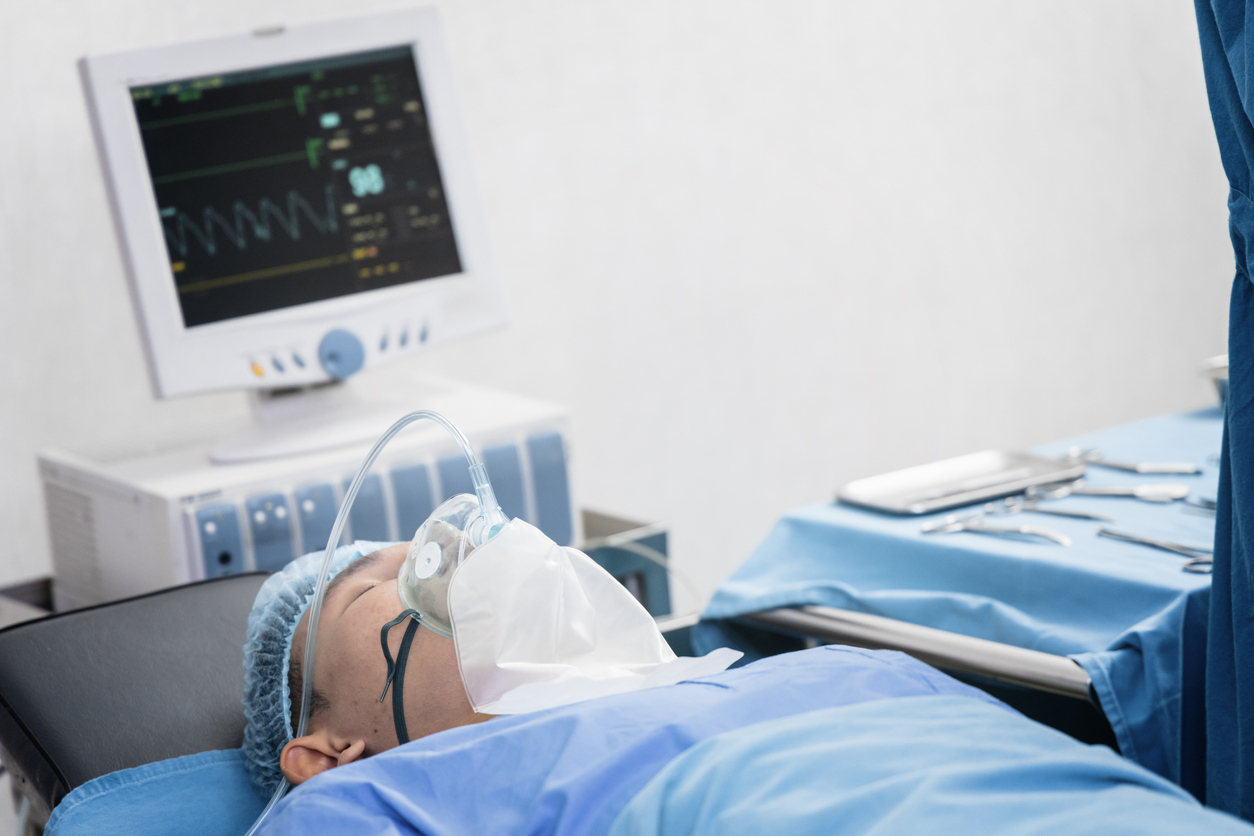
Because patients may inhale medical air through ventilators, anesthesia machines, and respiratory support devices, contamination can create significant clinical and operational risks:
- Excess moisture can promote microbial growth and corrosion
- Oil carryover may introduce hydrocarbons into the air stream
- Carbon monoxide contamination can expose patients to toxic gas
- Particulate matter can impair sensitive medical equipment
Routine medical air testing verifies that medical air systems continue to operate within required quality limits and provides the documentation healthcare facilities need to support regulatory and accreditation compliance.
How Medical Air Differs from Industrial Compressed Air
Although medical and industrial compressed air systems often use similar mechanical components, their requirements differ substantially.
Industrial compressed air is typically intended for manufacturing processes, pneumatic tools, automation systems, and equipment operation. While air quality may be important for product quality or equipment longevity, contamination rarely creates a direct patient safety concern. Acceptable contaminant levels are generally determined by operational requirements rather than clinical risk.
Medical air systems, by contrast, deliver air that may be inhaled by vulnerable patients. As a result, they operate under significantly stricter purity requirements and are subject to extensive regulatory oversight. Standards such as NFPA 99, USP requirements, and accreditation expectations from organizations such as the Joint Commission and DNV establish specific quality criteria, testing expectations, and documentation requirements for healthcare facilities.
The distinction is important because a compressed air system that performs finein an industrial environment may fall well short of medical air quality standards. Healthcare facilities must treat medical air as a regulated medical gas system rather than simply another compressed utility. Regular testing serves as the verification step that confirms the system is delivering air that is safe for patient use and compliant with applicable standards.
Components of Medical Air Systems and Where Contamination Occurs
Medical air quality depends on every stage of the system, from intake to point of use.
A typical medical air system follows this sequence:
Air Intake → Compressor → Moisture Removal and Filtration → Storage Receivers → Distribution Piping → Point of Use
Understanding where contaminants can enter the system helps facilities teams identify vulnerabilities and establish effective testing and maintenance programs.
Medical Air Compression Systems
Most healthcare facilities run two compressors so operations never stop. The type of compressor matters for contamination risk. Oil-lubricated units need good filtration to keep hydrocarbons out of the air supply, while oil-free units remove that concern.
That said, even oil-free compressors can pull in contaminated air if the intake is near vehicles, generators, boilers, or other combustion sources. A poorly placed intake is one of the most common causes of carbon monoxide contamination.
Medical Air Filtration Systems
Medical air systems typically use a combination of coalescing filters, desiccant dryers, activated carbon filters, and final particulate filters to remove moisture, oil, hydrocarbons, and particles.
These components don’t last forever. Filter media breaks down, dryers lose effectiveness, and performance can drop without any obvious signs. Regular testing confirms the system is still doing its job.
Medical Air Handling Systems and Distribution
After treatment, medical air travels through receivers, manifolds, regulators, and distribution piping before reaching patient care areas. Healthcare standards generally require corrosion-resistant materials such as medical-grade copper and stainless steel.
As infrastructure ages, corrosion, joint failures, and accidental cross-connections can introduce contamination. Because these issues may occur downstream of the compressor room, testing at representative points of use is essential.
Medical Air System Components and Common Contamination Risks
| Component | Function | Common Contamination Risk |
| Air Intake | Draws ambient air into the system | Carbon monoxide, vehicle exhaust, industrial emissions, airborne particulates |
| Compressor | Compresses intake air for medical use | Oil carryover, moisture generation, particulate contamination from component wear |
| Coalescing Filters | Remove liquid aerosols, oil, and particulates | Filter breakthrough due to saturation or poor maintenance |
| Desiccant Dryers | Reduce moisture content | Excess moisture from desiccant exhaustion or dryer failure |
| Activated Carbon Filters | Remove hydrocarbon vapors and odors | Hydrocarbon breakthrough from exhausted media |
| Storage Receivers | Store compressed air and stabilize demand | Internal corrosion, moisture accumulation, particulate formation |
| Manifolds and Regulators | Control pressure and distribution | Component degradation, leakage, particulate generation |
| Distribution Piping | Delivers medical air throughout the facility | Corrosion, scale, debris, contamination from system modifications |
| Zone Valves and Outlets | Provide access at patient care locations | Wear-related particulate contamination, maintenance-related debris |
| Point-of-Use Equipment | Delivers air to patients and clinical devices | Contaminants affecting ventilators, anesthesia machines, and respiratory therapy equipment |
Key Contaminants Tested in Medical Air Quality Programs

Medical air testing is fundamentally a contaminant verification process. Standards such as NFPA 99 and the medical air monographs referenced by the USP USP establish purity requirements designed to ensure that air delivered to patients is safe for respiratory use and compatible with sensitive medical equipment.
The following contaminants are among the most critical parameters assessed during medical air testing:
- Carbon Monoxide (CO): Carbon monoxide is one of the most significant hazards in a medical air system because it is toxic even at relatively low concentrations. The most common source is combustion-related contamination entering through improperly located compressor intakes. Nearby vehicle traffic, emergency generators, boilers, loading docks, and mechanical exhaust systems can all introduce carbon monoxide into the intake air stream.
- Carbon Dioxide (CO₂): Carbon dioxide occurs naturally in ambient air, but elevated concentrations within a medical air system may indicate inadequate intake placement, poor ventilation around compressor equipment, or contamination from nearby combustion sources.
- Total Hydrocarbons (Oil Vapor): Total hydrocarbons are measured to identify contamination from compressor lubricants, airborne hydrocarbon sources, or filtration failures. In oil-lubricated systems, oil carryover is a primary concern, but hydrocarbon contamination can also occur in oil-free systems if intake air is exposed to vehicle exhaust or industrial emissions.
- Moisture and Dew Point: Excessive water vapor creates conditions that support microbial growth, corrosion, and degradation of system components. Rather than measuring moisture alone, laboratories often evaluate dew point, which indicates the temperature at which water vapor will condense within the system. Elevated dew point readings may signal dryer failure, saturated desiccant media, or inadequate moisture removal performance.
- Gaseous Oxides of Nitrogen: Nitrogen oxides (NOx) typically originate from combustion processes and may enter the medical air system through contaminated intake air. Sources can include vehicle emissions, generators, boilers, and industrial exhaust streams located near compressor intakes. Inhalation can contribute to respiratory irritation, and elevated levels indicate external contamination of the medical air supply.
- Particulate Matter: Particulate contamination includes dust, corrosion products, filter media fragments, pipe scale, and other microscopic solid particles that may enter the air stream. Particles can originate from intake air, compressor wear, deteriorating piping systems, or filtration failures. In addition to creating compliance concerns, particulate contamination can damage precision components within ventilators, anesthesia machines, and respiratory therapy equipment.
Medical Facility Air Quality vs. Medical Building Indoor Air Quality
Healthcare organizations often use the term “air quality” broadly, but medical air testing and indoor air quality assessments address two very different concerns.
- Medical facility air quality focuses on the purity of compressed air delivered through piped systems to patient care devices. Testing happens at points of use and checks for specific contaminants regulated under medical gas standards. The goal is to confirm that air reaching patients meets purity requirements and stays compliant with healthcare regulations.
- Medical building indoor air quality evaluates overall environmental conditions in occupied spaces. These assessments cover ventilation effectiveness, airborne particulate levels, mold and microbial contamination, temperature and humidity control, and occupant exposure to indoor pollutants.
Both programs are important, but they require different testing methodologies and answer different compliance questions.
NFPA 99 Medical Air Purity Parameters
| Contaminant | NFPA 99 / USP Acceptable Limit | Standard Laboratory / Testing Method |
| O2 | 19.5% – 23.5% | Paramagnetic analyzer / Gas Chromatography |
| CO | ≤ 10 ppm | Infrared spectroscopy / Electrochemical cell |
| CO2 | ≤ 500 ppm | Non-dispersive infrared (NDIR) analysis |
| Total Gaseous Hydrocarbons | ≤ 25 ppm (as methane) | Flame Ionization Detection (FID) / Gas Chromatography |
| Halogenated Hydrocarbons | ≤ 2 ppm | Gas Chromatography-Mass Spectrometry (GC-MS) |
| Moisture / Dew Point | Alarm triggers at > +4°C (+39°F) at system pressure | Electronic dew point transmitter / Chilled mirror |
| Liquid Hydrocarbons (Oil) | No detectable liquid oil | Chilled mirror test / Infrared spectroscopy |
| Particulate Matter | ≤ 1 mg/m³ for particles ≥ 1 micron | Gravimetric analysis (filter weight membrane) |
| NOx | ≤ 2.5 ppm total | Chemiluminescence / Colorimetric indicator tubes |
| SO2 | ≤ 5 ppm | Pulsed fluorescence / Gas analysis |
Facilities should always verify applicable limits against the latest editions of NFPA 99, USP requirements, accreditation standards, and jurisdictional regulations, as testing criteria and interpretation requirements may evolve over time.
Regulatory and Accreditation Framework for Medical Air Testing
Medical air testing is both a patient safety measure and a compliance requirement. Healthcare facilities must demonstrate that systems are tested, documented, and maintained in accordance with recognized standards.
NFPA 99 Health Care Facilities Code
NFPA 99 serves as the primary technical standard governing medical gas and vacuum systems in healthcare facilities. The code establishes requirements for system design, installation, operation, maintenance, and verification, including specific provisions for medical air quality testing.
Medical air testing under NFPA 99 generally falls into three categories:
- New system commissioning: Newly installed medical air systems must undergo qualification testing before being placed into service.
- Periodic verification: Existing systems require ongoing evaluation to demonstrate continued compliance.
- Post-maintenance qualification: NFPA 99 requires repaired, replaced, modified, or extensively maintained medical air systems to be reverified before returning to service, ensuring they continue to meet operational and air purity requirements.
The code also classifies healthcare systems according to risk categories:
- Category 1: Failure could result in major injury or death.
- Category 2: Failure could result in minor injury.
- Category 3: Failure is unlikely to cause patient injury but may affect care delivery.
- Category 4: Failure would have minimal impact on patient care.
Because most medical air systems support direct patient care, they are generally classified as Category 1 systems, requiring the highest level of oversight and documentation.
While testing intervals may be influenced by facility policies, accreditation requirements, risk assessments, and local regulatory expectations, higher-risk systems generally receive greater oversight and more comprehensive verification activities.
USP and FDA Alignment
In healthcare environments that support sterile compounding, pharmaceutical preparation, or drug manufacturing activities, compressed air may also fall under the scope of USP standards and broader pharmaceutical quality requirements.
For facilities supporting pharmaceutical operations, medical air quality becomes part of a larger quality management framework found within FDA quality systems. Regulatory inspectors and quality auditors routinely expect organizations to demonstrate:
- Validated system performance
- Traceable testing records
- Documented maintenance activities
- Corrective actions for out-of-specification results
- Use of qualified testing methodologies and laboratories
Joint Commission and DNV Accreditation Requirements
Accrediting organizations evaluate whether facilities comply with NFPA 99 and maintain sufficient documentation to demonstrate compliance. Surveyors commonly review testing records, maintenance logs, verification reports, corrective action documentation, and contractor qualifications during inspections.
Accreditation Body Quick Reference Chart
| Accreditor / Authority | Relevant Standard or Framework | Medical Air Testing Requirement |
| NFPA 99 | Health Care Facilities Code | Requires verification of medical air purity during commissioning, maintenance activities, and ongoing system operation |
| Joint Commission | Environment of Care (EC) and Life Safety (LS) standards referencing NFPA 99 | Expects documented evidence that medical gas systems are maintained, tested, and compliant with applicable standards |
| DNV Healthcare | NIAHO® accreditation program incorporating NFPA 99 requirements | Requires demonstration of ongoing medical gas compliance through testing records, maintenance documentation, and corrective actions |
| USP | Medical air monographs and pharmaceutical quality standards | Establishes purity specifications for medical-grade compressed air used in healthcare and pharmaceutical applications |
| FDA | Quality System and current Good Manufacturing Practice (cGMP) expectations | Requires documented control, verification, and monitoring of compressed air systems used in regulated pharmaceutical processes |
| State and Local Authorities Having Jurisdiction (AHJs) | Adopted healthcare facility codes and regulations | May require testing, documentation, and corrective actions consistent with adopted editions of NFPA 99 and related standards |
The common thread across these frameworks is verification. Facilities must be able to demonstrate that medical air quality has been tested, documented, and maintained appropriately.
Frequently Asked Questions
How Often Should Medical Air Systems Be Tested?
Testing is typically performed during commissioning, after major maintenance, and at intervals defined by facility policies, accreditation requirements, and NFPA 99 compliance programs.
Who Is Qualified To Collect Medical Air Samples?
Sampling should be performed by trained personnel using validated procedures and equipment. Many facilities rely on accredited laboratories or specialized medical gas testing providers.
What Happens If A Medical Compressed Air System Fails Purity Testing?
Facilities investigate the contamination source, implement corrective actions, and perform follow-up testing to verify compliance before closing the issue.
Can Medical Air Testing Be Done Without Interrupting Facility Operations?
Yes. Most testing can be performed from designated outlets or sampling points while the system remains operational.
Conclusion: Choosing the Right Testing Partner for Medical Air Solutions
Selecting a medical air testing partner involves more than comparing laboratory capabilities. Healthcare facilities should evaluate accreditation status, method traceability, turnaround times, and the provider’s ability to interpret results. A report showing a carbon monoxide exceedance should also explain likely contamination sources, corrective actions, and re-test recommendations so facilities can respond effectively.
TRI Air Testing brings nearly 50 years of compressed air and gas analysis experience to critical-use environments. Operating under ISO 17025:2017 and A2LA accreditation standards, TRI utilizes patented sampling technology with roots in U.S. Navy diver air quality programs to deliver accurate, traceable, and actionable results.
Whether you’re commissioning a new system, preparing for an accreditation survey, or investigating a contamination concern, TRI Air Testing can help you build a medical air compliance program with confidence.
Contact TRI Air Testing to discuss your facility’s testing requirements and compliance goals.



The Original Compressed Air and Pure Gas Testing Laboratory

Related Articles

TRI Air Testing at MGPHO, Las Vegas
The Medical Gas Professional Healthcare Organization’s (MGPHO) annual meeting will be held 5-7 October 2011...
