
Air Quality Testing Explained: Methods, Risks, and Services

Table of Contents

For businesses across healthcare, food production, pharmaceuticals, and office environments, air quality is often overlooked. Airborne particulates, gases, VOCs, and microbial contaminants can accumulate without detection, creating health risks for occupants, compromising product quality, and exposing organizations to costly compliance violations.
Clean, safe air is not just a comfort. It’s a critical component of operational excellence. Yet many facilities rely on assumptions rather than data, leaving hidden hazards unaddressed. Air quality testing bridges this gap by providing scientifically validated insights into the air you breathe and the air your processes depend on. From spot testing to continuous monitoring, professional assessments reveal potential risks, ensure adherence to industry standards, and support regulatory compliance.
This article explores the fundamentals of air quality testing, including the methods used, what each test measures, and the risks of ignoring air quality. We also cover key standards, industry-specific requirements, and the differences between DIY testing and professional services. Understanding these elements equips facility managers, safety officers, and decision-makers to take action and protect both people and operations.
Key Takeaways
- Air quality testing is essential for protecting health, product quality, and regulatory compliance across industries.
- Different types of testing measure particulates, gases, VOCs, mold, and microbial contaminants, each providing unique insights.
- Compressed air testing and ambient air testing serve different purposes and may both be needed in high-stakes environments.
- DIY kits and consumer sensors provide preliminary data, but professional testing delivers validated, defensible results.
- TRI Air Testing offers professional air quality testing services to help facilities identify risks, maintain compliance, and safeguard occupants and products.
What Is Air Quality Testing?
Air quality testing is the process of collecting and analyzing air samples to identify and measure contaminants, determine their concentration levels, and assess whether the air meets health, safety, and/or regulatory standards.
In industrial, commercial, and controlled environments, testing air quality involves using calibrated instruments, validated sampling methods, and laboratory analysis to produce defensible, compliance-ready results.
Testing air quality typically includes:
- Selecting appropriate sampling locations
- Capturing air samples using pumps, canisters, or filtration media
- Analyzing those samples in a laboratory
The results are compared against established standards such as OSHA limits, ISO specifications, or industry-specific guidelines. This process ensures that compressed air systems, indoor air environments, or breathing air supplies are safe for workers, consumers, and equipment.
It is important to distinguish between screening, monitoring, and validated testing:
- Screening is a preliminary check that provides a quick indication of potential issues but does not produce legally defensible results.
- Monitoring usually refers to ongoing measurement through installed sensors that track air conditions over time.
- Validated testing, follows standardized methods, uses calibrated equipment, and produces documented results that can support compliance audits and regulatory requirements.
What Air Quality Testing Measures
Air quality testing evaluates a range of contaminants depending on the environment and intended use of the air.
Particulates such as PM2.5 and PM10 are microscopic solid or liquid particles suspended in the air. These particles can originate from dust, combustion processes, manufacturing activities, or degraded filtration systems. Fine particulates pose respiratory risks and can compromise product quality in sensitive industries.
Gases are another major focus. Commonly measured gases include:
- Carbon monoxide:Can pose immediate safety risks
- Carbon dioxide:May indicate inadequate ventilation
- Ozone & nitrogen dioxide:These are respiratory irritants
- Volatile organic compounds (VOCs):Can originate from solvents, fuels, packaging materials, or production processes
In compressed air systems, certain gases must remain below strict thresholds to meet quality standards.
Biological contaminants such as mold spores and bacteria are also critical in many settings. In food production, pharmaceutical manufacturing, healthcare facilities, and clean environments, microbial contamination can lead to product recalls, regulatory penalties, or health hazards. Laboratory-based microbiological testing is often required to accurately identify and quantify these organisms.
Testing Air Quality vs. Monitoring Air Quality
Air quality testing and air quality monitoring are often treated as interchangeable. They are not. They serve different operational and compliance functions—and confusing the two can create gaps in documentation, risk management, and regulatory defensibility.
Spot Testing (Air Quality Testing)
Spot testing refers to structured, point-in-time sampling using validated methodologies. It is typically performed using calibrated instruments and, where required, laboratory analysis to quantify specific contaminants.
Spot testing is designed to answer a compliance question:
“Does this air meet the required standard at the time of sampling?”
It is commonly used for:
- Compliance verification against defined standards
- Certification documentation
- Audit preparation
- Validation after system modifications
Because spot testing relies on validated sampling methods and documented calibration procedures, it produces defensible, compliance-grade data suitable for regulatory review.
However, spot testing has one inherent limitation: it represents conditions at a specific moment in time. It does not continuously track fluctuations between test intervals.
Continuous Monitoring (Sensor-Based Systems)
Continuous monitoring uses installed sensors to track environmental conditions in real time. These systems generate ongoing data streams and trend information.
Monitoring systems are valuable for:
- Detecting sudden changes
- Identifying trends over time
- Supporting operational adjustments
- Triggering alerts when thresholds are exceeded
Continuous monitoring excels at visibility and early detection. It helps answer the operational question:
“What is happening to air quality over time?”
However, sensor-based systems can have limitations:
- Accuracy varies by sensor technology
- Performance may drift over time
- Calibration requirements are ongoing
- Not all contaminants can be measured with equal precision
- Environmental factors can affect readings
Monitoring systems are typically not a substitute for validated compliance testing. Many regulatory frameworks require documented sampling protocols, traceable calibration records, and laboratory analysis for certification purposes.
In other words, monitoring improves awareness, but testing supports defensibility.
Why Monitoring Alone Is Not Usually Compliance-Grade
A common misconception is that installing continuous monitors automatically satisfies regulatory obligations. In most regulated environments, that is not the case.
Formal compliance often requires:
- Validated sampling methodology
- Defined sampling duration and flow control
- Traceable calibration records
- Laboratory confirmation where applicable
- Documented chain of custody
Continuous sensors may support internal control programs, but they typically do not replace standardized testing protocols required for audit or certification documentation.
The strongest compliance programs use both:
- Monitoring for real-time oversight
- Testing for regulatory validation
Quick Reference: Testing vs. Monitoring
| Category | Air Quality Testing (Spot Testing) | Air Quality Monitoring (Continuous Sensors) |
| Primary Objective | Determines compliance at a defined point in time | Tracks conditions continuously |
| Key Question Answered | “Does this meet the standard right now?” | “How is air quality trending?” |
| Timing | Periodic or scheduled sampling | Real-time, ongoing measurement |
| Methodology | Validated sampling protocols; calibrated instruments; often laboratory analysis | Installed sensors providing automated readings |
| Accuracy Control | High when using standardized, validated methods | Varies by sensor type, maintenance, and calibration stability |
| Calibration Requirements | Traceable, documented calibration procedures | Requires ongoing maintenance; drift may occur |
| Laboratory Confirmation | Frequently required for defensible results | Typically not included |
| Regulatory Acceptance | Suitable for audits, certification, and formal documentation | Usually insufficient alone for formal compliance |
| Data Type | Documented, point-in-time results | Continuous trend data and alerts |
| Best Used For | Certification, regulatory verification, independent validation | Early detection, operational awareness, performance tracking |
Why Indoor Air Quality Testing Matters
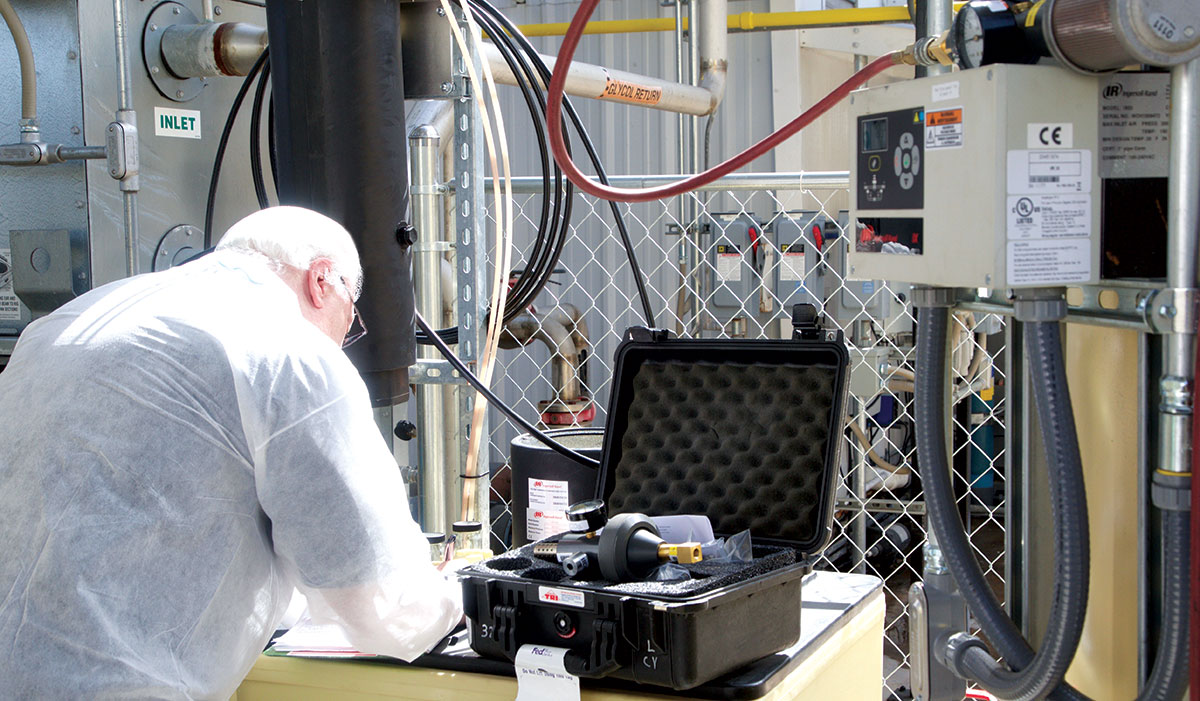
Indoor air quality directly affects health, safety, and operational performance in commercial, healthcare, and industrial environments. Because people spend most of their time indoors, even low levels of airborne contaminants can create meaningful risks over time. Testing provides objective data to identify problems early and guide corrective action.
Health Risks of Poor Indoor Air Quality
Poor indoor air quality can cause both short-term and long-term health effects. Short-term exposure may lead to:
- Headaches
- Eye and throat irritation
- Coughing
- Fatigue
- Dizziness
- Worsening asthma symptoms
These issues are often linked to elevated particulates, volatile organic compounds, carbon monoxide, or inadequate ventilation. Long-term exposure to certain contaminants such as fine particulates, mold spores, or chemical vapors may contribute to chronic respiratory disease, cardiovascular problems, or other serious conditions.
Some populations are more vulnerable than others. Workers in manufacturing or processing environments may face higher exposure levels due to operational activities. Patients in healthcare facilities often have compromised immune systems, increasing the importance of controlled air conditions.
Office occupants, students, and residents can also experience cumulative effects when ventilation systems are poorly maintained or contaminants are not properly managed.
Business, Legal, and Compliance Risks
Indoor air quality is not only a health issue but also a business and regulatory concern. Local health departments may investigate complaints or issue corrective orders if indoor air conditions are deemed unsafe. Insurance carriers may also require documentation of proper maintenance and testing following incidents such as water damage or fire events.
Poor indoor air quality can reduce productivity, increase absenteeism, and damage employee morale. Recurring complaints may lead to formal investigations, workers’ compensation claims, or litigation.
In regulated industries, failure to maintain appropriate air conditions can result in citations, fines, or loss of certification. Proactive testing helps demonstrate due diligence and reduces liability exposure.
When Indoor Air Quality Testing Is Required
Indoor air quality testing is often triggered by specific events or concerns. Common scenarios include occupant complaints about odors or symptoms, building renovations that disturb materials, water intrusion or flooding events, and preparation for regulatory or third-party audits. Testing helps determine whether contaminants are present and whether remediation is necessary.
Pre-occupancy assessments are also important when moving into a new facility or reopening a space after extended closure. Change-of-use situations, such as converting office space into healthcare or laboratory environments, may require updated air evaluations to confirm suitability.
In these cases, documented testing provides assurance that the indoor environment meets applicable health and safety expectations.
Indoor Air Quality Testing Standards and Guidelines
Indoor air quality testing is guided by a combination of regulatory requirements, consensus standards, and industry best practices. These frameworks help define acceptable exposure limits, ventilation expectations, and sampling approaches. Understanding how they apply is essential to producing reliable, defensible results.
Common IAQ Standards and Frameworks
Several widely recognized organizations shape indoor air quality expectations in the United States and globally:
- The Occupational Safety and Health Administration establishes permissible exposure limits for specific airborne contaminants in workplace settings
- The Environmental Protection Agency provides guidance on indoor pollutants, building investigations, and risk mitigation strategies
- The American Society of Heating, Refrigerating, and Air Conditioning Engineers publishes ventilation and indoor environmental quality standards that influence building design and maintenance practices
- The World Health Organization issues international air quality guidelines that address health-based exposure thresholds for key pollutants
Together, these frameworks provide reference points for evaluating indoor environments. However, not all are strictly enforceable regulations. Some function as guidance documents or consensus standards that inform policy, design, and risk management decisions.
Industry-Specific Requirements
Indoor air quality expectations vary significantly by industry.:
- Healthcare facilities often follow stricter air change, filtration, and contamination control requirements to protect patients and staff
- Pharmaceutical manufacturers must control airborne particulates and microbial contamination to meet current good manufacturing practice requirements
- Food and beverage facilities may need to manage compressed air quality and environmental contaminants to prevent product contamination and support food safety audits.
- Manufacturing environments may face exposure limits for specific chemicals or processes, while office settings typically focus on ventilation performance, comfort parameters, and the prevention of sick building syndrome.
Each sector may be subject to additional state regulations, certification programs, or customer-driven audit standards that influence testing scope and frequency.
Why Following a Standard Is Not the Same as Being Compliant
Simply referencing a standard does not guarantee compliance. The validity of air quality results depends heavily on sampling methodology. Improper sampling locations, insufficient sample duration, or uncalibrated equipment can produce inaccurate or misleading data. To support compliance, testing must follow recognized methods with documented procedures and quality controls.
Accreditation also plays a critical role. Laboratories that operate under recognized accreditation programs demonstrate adherence to established quality systems and technical competence requirements. Maintaining chain of custody documentation ensures that samples are traceable and have not been compromised.
Defensible data requires proper calibration records, documented handling, validated analytical methods, and clear reporting. Without these elements, results may not withstand regulatory review or third-party audits, even if the reported numbers appear acceptable.

The Original Compressed Air and Pure Gas Testing Laboratory

Types of Air Quality Testing (And What Each One Tells You)
Air quality testing encompasses a variety of methods designed to identify different types of contaminants and assess their potential risks. Selecting the right type of testing depends on the environment, suspected pollutants, and the purpose of the assessment. Understanding what each test measures helps guide effective remediation and compliance strategies.
Air Quality Testing for Mold
Mold air quality testing evaluates the concentration of airborne spores that may affect occupant health or building integrity. It differs from surface sampling, which detects mold growing on visible materials.
Airborne testing is particularly important for detecting mold because spores can travel throughout a space even when visible mold is limited. Many people misunderstand mold testing, thinking surface inspections alone are sufficient, when in fact unseen spores in the air often pose the greatest risk.
Air Quality Mold Testing vs. Visual Inspections
Visual inspections are useful for identifying obvious signs of water damage or mold growth, but they cannot detect hidden contamination. Mold that cannot be seen may exist inside walls, above ceilings, or in ventilation systems, releasing spores into occupied spaces.
Air quality testing complements visual inspections by providing quantitative data about the presence and concentration of mold spores in the environment.
Air Quality and Mold Testing Together
Combining air sampling with visual inspections and surface testing provides a comprehensive picture of mold-related risks. This approach allows professionals to pinpoint sources of contamination, assess exposure levels, and develop targeted remediation plans.
Using multiple methods together increases confidence that both visible and hidden mold issues are addressed effectively.
VOC and Chemical Air Testing
Volatile organic compounds (VOCs) and other chemicals can accumulate indoors from:
- Building materials
- Furnishings
- Cleaning agents
- Fuels
- Industrial processes
VOC and chemical air testing measures off-gassing and airborne concentrations of solvents, chemicals, and other potentially hazardous compounds. Identifying these substances helps guide ventilation improvements, material selection, and occupational safety measures.
Particulate and Dust Testing
Particulate and dust testing measures airborne solid particles that can impact health, equipment, and product quality. This type of testing is important in construction, manufacturing, and office environments where dust generation or airborne debris may be elevated.
Results inform filtration upgrades, cleaning protocols, and engineering controls to reduce exposure and maintain regulatory compliance.
Compressed Air Quality Testing vs. Ambient Air Testing

Compressed air quality testing and ambient air testing serve related purposes but address different risks and requirements. While both evaluate air for contaminants, they differ in their standards, methods, and the potential consequences of failing to meet quality expectations.
Understanding these differences is essential for facilities that rely on both types of air for safety, production, or regulatory compliance.
| Category | Compressed Air Quality Testing | Ambient Air Testing |
| Purpose | Ensures air used in processes, medical applications, food production, or breathing systems is contaminant-free | Evaluates indoor air that occupants breathe or that surrounds processes for general safety and comfort |
| Contaminants Measured | Oil, moisture, particulates, microbial organisms | Particulates, volatile organic compounds, gases, biological contaminants |
| Standards & Guidelines | ISO 8573, NFPA 99, industry-specific compressed air standards | OSHA, EPA, ASHRAE, WHO guidelines, general IAQ standards |
| Risk Focus | Direct impact on product quality, patient safety, and equipment performance | Health, comfort, and long-term exposure risks for occupants |
| Testing Method | Calibrated sampling, laboratory analysis, validated methods | Spot testing, monitoring, laboratory analysis depending on contaminants |
| Consequences of Non-Compliance | Product contamination, equipment damage, safety hazards, regulatory violations | Illness, reduced productivity, regulatory or legal issues, occupant complaints |
| Typical Facilities Needing Both | Pharmaceutical, healthcare, food & beverage, manufacturing | Same as compressed air plus offices, laboratories, and controlled indoor environments |
Why These Are Not the Same Thing
Compressed air is often used directly in manufacturing processes, medical applications, food and beverage production, or breathing air systems. Contaminants such as oil, moisture, particulates, or microbial organisms in compressed air can directly affect product quality, patient safety, or equipment performance.
As a result, compressed air testing follows strict standards like ISO 8573 and NFPA 99, with defined limits for particulates, water content, oil, and microbial contamination. Ambient air testing, by contrast, focuses on the air occupants breathe or the indoor environment surrounding processes and typically evaluates particulates, VOCs, gases, and biological contaminants under general indoor air quality guidelines. The risks, standards, and acceptable limits differ significantly between the two.
When Facilities Need Both
Facilities that operate in highly regulated or sensitive environments often require both compressed air and ambient air testing.
- Pharmaceutical and healthcare facilities need clean compressed air for production and patient safety while maintaining controlled indoor air quality to protect staff and patients.
- Food and beverage manufacturers rely on contaminant-free compressed air for processing or packaging, as well as safe ambient air in production areas.
- Manufacturing operations may also benefit from combined testing to prevent product contamination and maintain worker safety
Testing both types of air ensures comprehensive protection, regulatory compliance, and reliable operational performance.
Professional Indoor Air Quality Testing vs. DIY Kits
Indoor air quality testing can be approached in several ways, ranging from do-it-yourself kits to professional laboratory testing. While DIY kits and consumer devices can provide basic insights, professional testing offers validated, defensible results that are essential for health, compliance, and operational decision-making. Understanding the differences helps facility managers and occupants choose the right approach for their needs.
| Category | DIY Air Quality Testing Kits | Professional Indoor Air Quality Testing |
| Purpose | Basic screening and awareness | Accurate, defensible assessment for health, compliance, and operations |
| Contaminants Measured | General particulates, VOCs, mold spores | Comprehensive range including particulates, gases, VOCs, biological contaminants, and chemical pollutants |
| Accuracy | Limited, prone to false positives or false confidence | High, validated methods with calibrated equipment |
| Data Type | Indicative or preliminary | Quantitative, precise, and legally defensible |
| Regulatory Use | Not suitable for compliance or audits | Meets standards for audits, certification, and regulatory reporting |
| Methodology | Simple kits or handheld sensors, inconsistent sampling | Standardized sampling, laboratory analysis, chain-of-custody, method validation |
| Limitations | Surface-level insights, may miss hidden issues | Requires professional expertise, cost and time investment |
| Best For | Early detection, curiosity, homeowner awareness | Healthcare, pharmaceutical, food production, manufacturing, or high-stakes environments |
Air Quality Testing Kits: What They Can (And Can’t) Do
DIY air quality testing kits are designed for simple screening and awareness. They can indicate the presence of particulates, VOCs, or mold spores at a general level, but they are often limited in:
- Accuracy
- Sensitivity
- Scope
These kits can provide early warning of potential issues, but results should not be relied upon for regulatory compliance or remediation decisions.
Common challenges include false positives, inconsistent sampling, and misplaced confidence that problems have been fully assessed when only a superficial check has been performed.
Air Quality Testing Devices and Sensors
Real-time sensors and handheld devices offer continuous monitoring of certain parameters, such as:
- Particulate counts
- Carbon dioxide
- Volatile organic compounds
While these devices are useful for trends, alerts, and operational awareness, they cannot replace laboratory analysis for compliance-grade testing.
Laboratory methods use validated sampling, chain-of-custody protocols, and standardized analytical techniques to provide precise, defensible data that can support audits, certification, or regulatory reporting.
Why Professional Indoor Air Quality Testing Matters
Professional indoor air quality testing companies ensure that results are accurate, repeatable, and legally defensible. Method validation, proper calibration, and adherence to industry standards guarantee that testing accurately represents actual air conditions.
Data generated by accredited laboratories can withstand scrutiny during regulatory audits, liability investigations, or certification processes.
For high-stakes environments such as healthcare, pharmaceuticals, food production, or manufacturing, professional testing provides the confidence necessary to protect occupants, products, and operations.
The Original Compressed Air and Pure Gas Testing Laboratory
Choosing the Right Air Quality Testing Company
Selecting the right air quality testing company is critical for obtaining accurate, defensible results that support health, safety, and regulatory compliance. A reputable provider ensures proper methods, clear reporting, and reliable interpretation of results. Understanding what to look for and what to avoid can help facilities make informed decisions.
What to Look for in Air Quality Testing Services
Here’s how to evaluate air quality testing services:
- Verify accreditation status. Confirm the laboratory is accredited by a recognized body and ask for documentation to ensure they follow standardized methods and quality systems.
- Confirm industry experience. Choose a provider with demonstrated experience in your specific sector, such as healthcare, pharmaceuticals, food production, or manufacturing, where testing requirements can be complex.
- Review sample reports. Ask to see an example report to evaluate clarity, detail, and whether methods, results, and interpretations are clearly documented.
- Ask about quality control procedures. Ensure the company follows documented protocols, calibration practices, and chain-of-custody procedures.
- Evaluate technical expertise. Confirm that qualified professionals interpret the data and provide actionable recommendations, not just raw numbers.
- Assess compliance readiness. Make sure the reporting format and documentation will support audits, inspections, or regulatory reviews if needed.
Red Flags to Avoid
Be cautious of companies that promise instant results without proper sampling or laboratory analysis. Such claims often indicate superficial screening rather than validated testing.
Another warning sign is the absence of documented procedures, which can make results non-defensible in audits, regulatory reviews, or legal scenarios. Reliable companies maintain chain-of-custody records and follow recognized sampling and analysis protocols.
Questions to Ask Before You Hire
Before hiring an air quality testing provider, consider asking the following questions:
- Who will interpret the data and provide analysis?
- How will the results be presented?
- Will the testing approach and documentation stand up under regulatory scrutiny, audits, or certification processes?
Understanding the expertise behind the analysis and confirming these details ensures that the service provider delivers actionable and defensible results.
Conclusion
Air quality testing is a critical step in protecting the health of occupants, ensuring product safety, and maintaining regulatory compliance. From understanding indoor air risks and industry standards to choosing the right testing methods and professional services, reliable data is essential for making informed decisions.
Whether you need comprehensive indoor air assessments, compressed air testing, or combined solutions for high-stakes environments, expert guidance ensures accurate results you can trust.
For peace of mind and actionable insights, contact TRI Air Testing today to schedule professional air quality testing tailored to your facility’s needs.
Join thousands of business owners & companies who trust TRI Air Testing.


The Original Compressed Air and Pure Gas Testing Laboratory
Related Articles
Air Sampling Kits – Video
TRI Air Testing offers sampling kits for use on free loan or for purchase. All...

Why wait? TRI Offers 24-Hour Turnaround Time
Compressed air testing is a vital component of many industries, both for verifying equipment functionality...
TRI’s Quality Program
At TRI Air Testing, quality is built into everything that we do. Our documented quality system...
