
Particulates Explained: Sources, Health Effects & Testing

Table of Contents
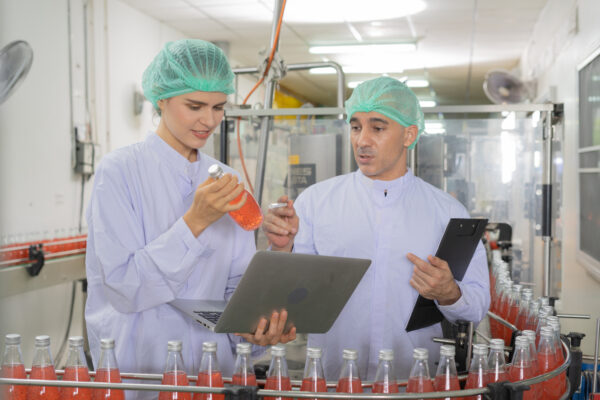
Particulates (tiny solid or liquid particles suspended in air, water, or industrial systems) are all around us, yet their effects can be surprisingly significant. From dust and fibers to aerosols and microbial matter, these microscopic particles can influence air quality, human health, and the integrity of critical manufacturing processes. Understanding what particulates are, where they come from, and how to monitor and control them is essential for environmental safety, regulatory compliance, and operational efficiency.
This guide breaks down the science of particulates, explores their sources and health impacts, and provides practical strategies for testing and reduction across regulated industries. Whether you’re managing a cleanroom, monitoring ambient air, or safeguarding food, beverage, or pharmaceutical products, this article equips you with the knowledge to identify, measure, and control particulates effectively.
Key Takeaways:
- Particulates are microscopic solid or liquid particles with physical mass that can be captured and analyzed across various environments.
- In sectors like pharmaceuticals and food production, strict particulate control is mandatory to ensure consumer safety and regulatory compliance.
- Accurate contamination management relies on combining real-time detection with high-precision laboratory analysis to meet specific operational risks.
- Effective particulate reduction is achieved through a layered strategy of source control, advanced filtration, and environmental isolation.
What Are Particulates?
Particulates (sometimes referred to as particulate matter) are microscopic solid or liquid particles suspended in a gas (like air) or a liquid. In an industrial or manufacturing environment, particles can vary widely in size, composition, origin, and potential impact on health and equipment.
Particulates vs Particles: What’s the Difference?
While often used interchangeably, there is a subtle distinction:
- Particles is a general term referring to any small discrete piece of matter.
- Particulates typically refers to a collection or suspension of particles, especially in the context of contamination or environmental exposure.
In short, a particle is a single unit, while particulates describe many particles existing together within a medium.
Particulates Definition in Environmental Science and Industrial Hygiene
In environmental science, particulates are typically discussed in the context of air pollution and are classified by size (such as PM10 or PM2.5) because particle size directly influences how they behave in the atmosphere and how they affect human health.
- PM10: Inhalable particles (≤10 microns)
- PM2.5: Fine particles (≤2.5 microns), which can penetrate deep into the lungs
In industrial hygiene, the definition is broader and more application-focused. Particulates include any airborne or process-generated particles that may pose a risk to workers, products, or systems. This includes contaminants found in manufacturing environments, cleanrooms, and compressed air systems.
Particulates vs. Other Contaminants
It’s important to distinguish particulates from other types of contaminants:
- Particulates are physical particles, either solid or liquid, suspended in a medium.
- Gases are substances in a fully dispersed molecular state (e.g., oxygen or carbon monoxide).
- Vapors are gaseous forms of substances that are typically liquid or solid at room temperature (e.g., solvent vapors).
Unlike gases and vapors, particulates have mass and physical structure, which means they can be filtered, captured, and measured differently using specialized testing methods.
Types of Particulates
Particulates can take many forms depending on their source and environment. Common examples include:
- Dust: Solid particles generated by mechanical processes like crushing or grinding
- Droplets: Liquid particles formed through condensation or spraying
- Fibers: Elongated particles such as asbestos or synthetic materials
- Aerosols: Suspensions of fine solid or liquid particles in a gas
- Microbial matter: Biological particles like bacteria, spores, and pollen
Where Particulates Are Found
Particulates are present across a wide range of environments and systems, including:
- Ambient air (outdoor and indoor environments)
- Water systems (as suspended solids or contaminants)
- Compressed air systems (impacting equipment performance and product quality)
- Industrial processes (manufacturing, pharmaceuticals, food production, etc.)
Their presence can affect not only human health but also operational efficiency, product integrity, and regulatory compliance.
Particulates in Regulated Industries
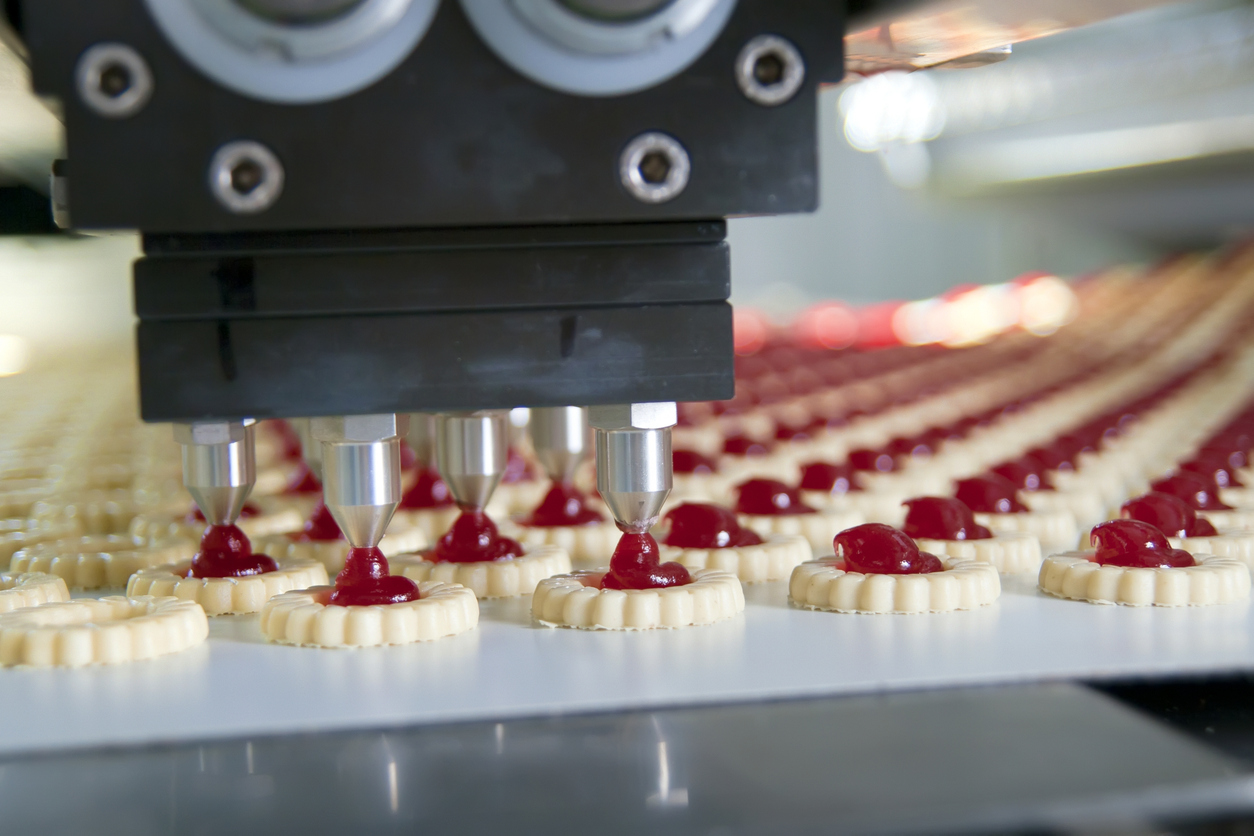
Particulate contamination is a critical concern in highly regulated industries where product safety, quality, and compliance are non-negotiable. From pharmaceuticals to food production, even microscopic particles can compromise outcomes, trigger recalls, or violate regulatory standards. As a result, particulate monitoring and control are deeply embedded in operational and quality assurance processes.
Pharmaceutical Manufacturing
In pharmaceutical environments, particulate monitoring is essential to ensure product sterility and patient safety, especially for injectable and inhalable drugs. Even trace levels of contamination can introduce serious health risks or reduce drug efficacy.
Cleanrooms are designed to minimize particulate presence, but they are not immune to contamination. Common sources include personnel, equipment, raw materials, and airflow systems. Without proper monitoring and filtration, particles such as dust, fibers, or microbial matter can settle on products during manufacturing or packaging.
To mitigate these risks, pharmaceutical facilities implement strict environmental monitoring programs, including:
- Airborne particle counting
- HEPA/ULPA filtration systems
- Controlled airflow and pressurization
- Routine surface and personnel testing
Maintaining low particulate levels is not just a best practice. It’s a regulatory requirement tied to Good Manufacturing Practices (GMP).
Inspection of Injectable Products for Visible Particulates
Injectable products, such as drugs, are particularly sensitive to particulate contamination because they bypass many of the body’s natural defenses. As a result, regulatory bodies require thorough inspection of these products for visible particulates before they reach patients.
Visible particulates are typically defined as particles large enough to be seen with the naked eye under controlled lighting and inspection conditions. These may include glass fragments, fibers, rubber, or other foreign materials introduced during manufacturing, filling, or packaging.
Inspection methods generally include:
- Manual visual inspection, where trained operators examine each unit
- Automated inspection systems, which use cameras and sensors for high-throughput environments
The goal is to identify and remove any compromised units to ensure product safety and maintain quality standards.
Inspection of Injectable Products for Visible Particulates: Guidance for Industry
Regulatory agencies such as the U.S. Food and Drug Administration (FDA) provide formal guidance on how manufacturers should approach particulate inspection. This includes expectations for compliance, validation, and quality assurance.
Key regulatory expectations include:
- Establishing validated inspection processes that reliably detect visible particles
- Defining acceptable quality levels (AQLs) for particulate contamination
- Training and qualifying personnel involved in manual inspections
- Implementing routine testing, monitoring, and documentation practices
FDA compliance also requires manufacturers to demonstrate that their inspection systems, manual or automated, are consistent, reproducible, and capable of detecting defects under defined conditions.
Inspection procedures must be standardized and controlled, including factors such as lighting, background contrast, inspection time, and container handling. Any deviations or failures must be investigated and documented as part of a robust quality management system.
Food and Beverage Manufacturing
In food and beverage production, airborne particulates can introduce both safety hazards and quality defects. Contaminants such as dust, metal fragments, fibers, or microbial particles can enter the production environment through raw materials, equipment, or facility air systems.
These particulates can:
- Compromise product safety and lead to contamination events
- Affect taste, texture, and appearance
- Trigger regulatory non-compliance or product recalls
To control these risks, manufacturers rely on:
- Air filtration and ventilation systems
- Hygienic facility design and zoning
- Environmental monitoring programs
- Hazard Analysis and Critical Control Points (HACCP) frameworks
Effective particulate control helps ensure that products meet safety standards while protecting brand integrity and consumer trust.

The Original Compressed Air and Pure Gas Testing Laboratory

Monitoring and Measuring Particulates
Accurate measurement of particulates relies on a combination of real-time detection and laboratory-based systems. Correct measurements are essential for maintaining air quality, ensuring regulatory compliance, and protecting both human health and product integrity.
Ambient Particulates Analyzers
Ambient particulate analyzers are specialized instruments used to measure the concentration and size distribution of particles in the air. These systems are widely used in environmental monitoring, occupational health, and industrial applications.
One of the most common tools is the real-time particle counter, which continuously measures airborne particles and provides immediate data on particulate levels. These devices typically use light-scattering technology to detect and size particles as they pass through a sensing chamber.
Key benefits of ambient analyzers include:
- Continuous, real-time data collection
- Immediate detection of spikes or contamination events
- Size-segregated particle measurement (e.g., PM2.5, PM10)
- Integration with monitoring systems for alerts and reporting
These analyzers are critical for tracking air quality trends and ensuring compliance with environmental and workplace standards.
Laboratory Analysis Methods
While real-time monitoring provides immediate insights, laboratory analysis offers higher precision and validation of particulate concentrations and composition.
Two widely used methods include:
- Gravimetric Analysis: This method involves collecting particulates on a filter over a defined period and then weighing the filter before and after sampling. The difference in mass provides an accurate measurement of particulate concentration. It is considered a reference method for regulatory compliance due to its high accuracy.
- Optical Particle Counting (OPC): Optical particle counters use light-scattering principles to count and size particles. While often used in real-time instruments, OPC can also be applied in controlled laboratory settings to validate airborne particle concentrations and distributions.
Laboratory methods are especially valuable for:
- Compliance verification
- Detailed characterization of particulate matter
- Calibration of field instruments
Cleanroom and Industrial Monitoring
In controlled environments such as cleanrooms and critical manufacturing areas, particulate monitoring must be both continuous and highly controlled.
- Continuous Monitoring: Cleanrooms often use permanently installed particle counters that provide ongoing data about airborne particulate levels. These systems are typically integrated with facility management systems to trigger alarms if thresholds are exceeded.
- Risk-Based Sampling: In industrial settings, monitoring strategies are often based on risk assessments. High-risk areas, such as filling lines in pharmaceutical manufacturing or critical control points in food production, are monitored more frequently or continuously, while lower-risk areas may be sampled periodically.
This approach ensures efficient use of resources while maintaining strict control over contamination risks.
Common Methods for Measuring Particulates (Summary)
| Method | Type | What It Measures | Key Advantage |
| Real-Time Particle Counter | Instrument (Field) | Particle count and size distribution | Immediate, continuous monitoring |
| Gravimetric Analysis | Laboratory | Mass concentration of particulates | High accuracy, regulatory standard |
| Optical Particle Counting | Field/Lab Hybrid | Particle size and count | Fast and size-specific measurement |
| Filter-Based Sampling | Field + Lab | Collected particles for further analysis | Enables chemical/biological testing |
| Continuous Cleanroom Monitoring | Fixed System | Airborne particle levels in controlled spaces | Real-time alerts and compliance tracking |
How to Reduce Particulates
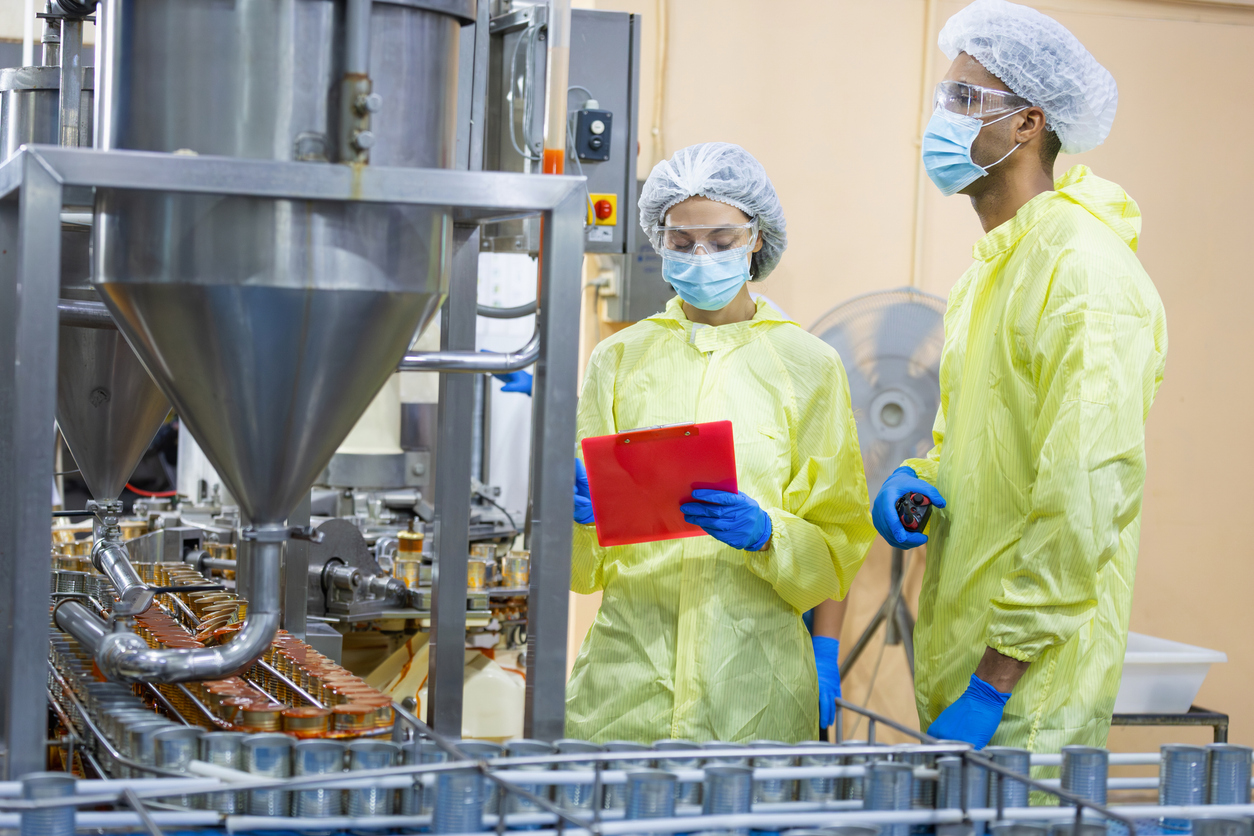
Reducing particulate contamination requires a combination of prevention, capture, and control strategies. Whether addressing ambient air quality or protecting sensitive industrial processes, effective particulate reduction focuses on minimizing particle generation and removing contaminants before they can spread.
How to Reduce Particulates in the Air
Improving air quality starts with controlling both the source of particulates and how they move through the environment.
- Filtration Systems: High-efficiency filtration systems are one of the most effective ways to remove airborne particulates. HVAC systems equipped with advanced filters can capture particles across a range of sizes, improving indoor air quality in commercial, industrial, and residential settings.
- Source Control: Preventing particulates from entering the air in the first place is often more effective than removing them later. This includes:
- Using low-emission materials
- Controlling combustion sources
- Minimizing dust-generating activities
- Isolating processes that release particles
By addressing particulate generation at the source, organizations can significantly reduce overall contamination levels.
Reducing Particulates in Industrial Facilities
Industrial environments often generate high volumes of particulates through manufacturing, material handling, and processing activities. Reducing these requires targeted engineering and operational controls.
- Process Modifications: Adjusting workflows or equipment can reduce particle generation. Examples include:
- Switching to closed-loop systems
- Using wet methods to suppress dust
- Automating processes to limit human-generated contamination
- Dust Collection Systems: Dust collectors are designed to capture particulates at or near the source. These systems use filters, cyclones, or baghouses to remove particles from air streams before they disperse into the facility.
Effective dust collection not only improves air quality but also enhances worker safety and protects equipment from buildup and wear.
Removing Particulates from Air Systems
Once particulates are airborne, specialized technologies are used to capture and remove them from air systems.
- HEPA Filtration: High-Efficiency Particulate Air (HEPA) filters are capable of capturing at least 99.97% of particles as small as 0.3 microns. They are widely used in cleanrooms, healthcare environments, and critical manufacturing processes where ultra-clean air is required.
- Electrostatic Precipitators (ESPs): These systems use electrical charges to attract and capture particles from an air stream. ESPs are particularly effective for fine particles and are commonly used in industrial exhaust systems and power generation facilities.
Both technologies play a key role in maintaining clean air in high-risk or regulated environments.
Block Environmental Particulates
In many applications, especially those involving sensitive equipment or products, preventing external particulates from entering a system is just as important as removing those generated internally.
- Sealed Systems: Enclosing processes or environments helps isolate them from external contamination. This is critical in cleanrooms, pharmaceutical production, and compressed air systems.
- Air Intake Filtration: Installing filtration at air intake points ensures that incoming air is cleaned before it enters a facility or system. This is particularly important in areas with high ambient pollution or dust levels.
By combining sealing strategies with effective intake filtration, organizations can create controlled environments that significantly reduce the risk of particulate intrusion.
The Original Compressed Air and Pure Gas Testing Laboratory
Conclusion
Particulates may be microscopic, but their impact is anything but small. From air quality and human health to product integrity and regulatory compliance, understanding how particulates behave and how to control them is essential across industries. Whether you’re dealing with ambient air pollution, maintaining cleanroom standards, or ensuring the safety of pharmaceutical or food products, effective particulate monitoring and mitigation strategies are critical.
The key is taking a proactive, data-driven approach: identifying sources, measuring accurately, and implementing the right control systems to reduce risk. As regulations tighten and quality expectations rise, having a clear particulate management strategy is no longer optional. It’s a competitive and operational necessity.
If you’re looking to improve your particulate testing, monitoring, or filtration systems, TRI Air can help. Their expertise in compressed air and gas testing, combined with advanced analytical capabilities, ensures you get accurate, reliable results you can act on.
Contact TRI Air today to discuss your application, ensure compliance, and take control of particulate contamination with confidence.

The Original Compressed Air and Pure Gas Testing Laboratory
Related Articles

Compressed Air and Food Quality
High-quality compressed air is critical for providing food products that are not only cost effective...
Cheers to 2012!
Are you stocking up on food and drinks for New Year’s Eve or FOOTBALL parties?...
Chocolate and Compressed Air
Chocolate rarely needs help getting off the shelf, but special days associated with chocolate (Easter,...
