

Water in Compressed Air: Causes, Risks, and Removal

Table of Contents
Compressed air is the lifeblood of countless industrial operations, powering tools, machinery, and critical processes across various sectors, including manufacturing, food and beverage, pharmaceuticals, and automotive industries. Despite its essential role, one invisible threat can silently compromise system performance: water contamination.
Moisture naturally enters the air during compression, condenses in tanks and pipelines, and can lead to corrosion, equipment damage, and product quality issues if left unmanaged. Understanding how water forms in compressed air systems, the risks it poses, and the strategies for effective removal is essential for any facility seeking reliable, high-quality performance.
Water contamination in compressed air systems is not just a technical issue; it can have far-reaching implications for operational efficiency, safety, and compliance with industry standards.
This article takes a deep dive into the presence of water in compressed air, why it matters, and how facilities can protect equipment, processes, and products. We will begin with the fundamentals of moisture in air, move through operational issues and system risks, and conclude with practical solutions and verification methods to ensure clean, dry compressed air.
Key Takeaways:
- Water Contamination is Inevitable. Compressed air systems almost always contain water due to moisture present in the atmosphere, which becomes concentrated during compression.
- Unmanaged water can lead to corrosion, microbial growth, equipment damage, airflow restrictions, and product contamination, significantly impacting operational efficiency and safety.
- Multi-Stage Removal is Essential. A combination of aftercoolers, separators, dryers, filters, and drains is necessary to effectively remove both liquid water and water vapor from compressed air systems.
- Oil and Water Coexist. Integrated systems that address both oil and water contamination are crucial for maintaining high-quality compressed air, especially in sensitive applications.
- Routine testing for moisture levels, dryer performance, and system integrity is vital to ensure compliance with industry standards and to protect equipment and product quality.
Does Compressed Air Have Water?
Yes, compressed air almost always contains water. While air may appear dry when it leaves a compressor, it carries moisture from the atmosphere that becomes more concentrated during compression. Ignoring this moisture can lead to significant operational problems, from corrosion and equipment wear to contamination of sensitive processes.
Before exploring removal methods, it’s important to understand why water is present in compressed air. Moisture is not introduced during compression; it’s already in the air we breathe. The act of compressing that air simply makes it more problematic.
Why Moisture Exists in Atmospheric Air
Atmospheric air naturally contains water vapor alongside other substances, including:
- Dust and particulates: Tiny solids suspended in the air can vary in size and composition, affecting air quality. For example, industrial environments may have higher levels of particulate matter, which can exacerbate contamination issues.
- Oil vapors: These can come from environmental sources or machinery, introducing contaminants. Oil vapors can act as carriers for other contaminants, making the air quality even worse.
- Microorganisms: Bacteria, fungi, and other microscopic life can thrive in moist environments, potentially compromising product integrity. For instance, in food processing, microbial contamination can lead to spoilage and safety hazards.
The exact amount of moisture in the air depends on several environmental factors:
- Relative humidity: Higher humidity levels mean more water vapor is present in the air, which can lead to increased condensation during compression. For example, coastal areas typically have higher humidity levels, making moisture management even more critical.
- Temperature: Warm air can hold more moisture; thus, temperature fluctuations can significantly impact moisture levels. In winter, cold air holds less moisture, but as it warms up in the compressor, the water vapor may condense.
- Atmospheric pressure: Changes in pressure alter the density of water vapor, impacting how much moisture can condense. For instance, higher altitudes can lead to lower atmospheric pressure, which affects moisture content.
When air enters a compressor, these factors combine to concentrate moisture, setting the stage for condensation once the air is compressed. This process is critical to understanding how to manage moisture effectively.
What Happens to Water Vapor During Air Compression
During compression, several physical changes occur:
- Temperature rises: Compressing air increases its thermal energy, which can initially prevent condensation. However, as the air cools downstream, moisture can condense rapidly.
- Pressure increases: Higher pressure forces water vapor molecules closer together, increasing the likelihood of condensation when the air is cooled. This is particularly pronounced in systems with inadequate cooling.
- Moisture condenses: As the air cools downstream, especially in storage tanks or pipelines, this concentrated moisture turns into liquid water, forming droplets that can accumulate and cause issues.
This explains why water vapor is one of the most persistent contamination risks in industrial compressed air systems. Left uncontrolled, it can cause corrosion, equipment failure, and product contamination, highlighting the need for proper water management strategies.
Water Content in Compressed Air
The actual water content in compressed air can be surprisingly large. The amount depends on the intake air conditions and the compression process.
The table below illustrates typical examples:
| Ambient Temperature | Relative Humidity | Water in Intake Air | Condensed Water After Compression |
| 20°C (68°F) | 50% | 9 g/m³ | 4.5 g/m³ |
| 25°C (77°F) | 70% | 18 g/m³ | 9 g/m³ |
| 30°C (86°F) | 80% | 24 g/m³ | 12 g/m³ |
The table above accurately illustrates the scale of the problem of water in compressed air. Even at moderate ambient conditions, compression can introduce several grams of water per cubic meter into your system, and as temperature and humidity climb, that burden increases substantially. For facilities operating in warm or humid environments, this isn’t a marginal concern. Without robust moisture control measures, that accumulated water puts equipment reliability, product quality, and regulatory standing at risk.

The Original Compressed Air and Pure Gas Testing Laboratory

Why Drain Water from Compressed Air Tanks
Even with advanced dryers and compressed air water separators, water will accumulate in tanks over time. If left untreated, it can corrode tanks, flow downstream, and compromise equipment and processes. Regular drainage is a simple yet highly effective way to mitigate these risks.
Proper drainage of compressed air tanks is a foundational maintenance practice that prevents system damage and ensures consistent air quality.
Benefits of Draining Compressed Air Tanks
Routine tank draining helps prevent:
- Internal tank corrosion: Water promotes rust, which can weaken tank integrity and ultimately lead to catastrophic failures. A corroded tank may not only fail but also pose safety risks to personnel nearby.
- Downstream water contamination: Moisture can travel through pipelines, affecting tools, equipment, and production processes. For instance, in a food processing facility, water contamination can compromise product safety and lead to significant recalls.
- Reduced air quality: Water mixes with oil and particulates, lowering the quality of compressed air, which can impact product quality in sensitive applications. In pharmaceutical manufacturing, even minor contamination can result in batch failures.
- Equipment damage: Sensitive pneumatic devices can fail when exposed to water, leading to costly repairs and downtime. Equipment such as spray guns and pneumatic actuators is particularly susceptible to moisture-related issues.
Facilities that neglect routine draining often discover problems only when water appears in compressed air lines, leading to costly downtime and repairs. Regularly scheduled maintenance can prevent these issues and save money in the long run.
Compressed Air Tanks CDL Requirements
For commercial drivers, tank drainage is not just maintenance, but a safety requirement. CDL training emphasizes daily drainage of air brake systems because:
- Water can freeze in brake lines, posing hazards in cold conditions and leading to system failures. This can result in dangerous driving conditions and potential accidents.
- Moisture can corrode brake components, reducing system reliability and increasing the risk of accidents. An unreliable braking system not only affects safety but can also lead to legal liabilities for businesses.
- Air pressure systems can fail, compromising safety and operational readiness. Regular maintenance checks can ensure that all components are functioning correctly, preventing emergencies.
By making drainage a routine practice, both industrial facilities and drivers can maintain safe, reliable systems and ensure compliance with safety regulations. Training programs that emphasize the importance of this practice can further enhance operational safety.
Water in Compressed Air Systems
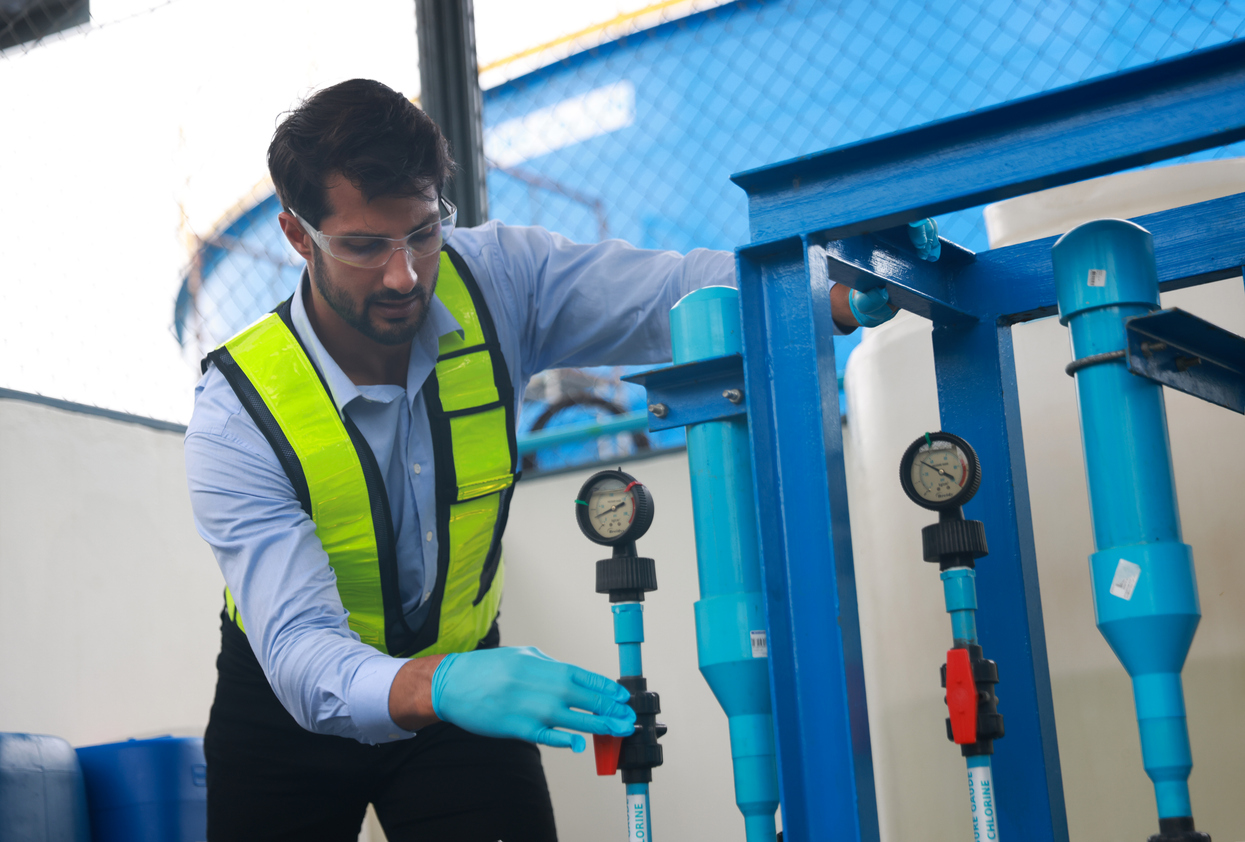
Water in compressed air systems is a common but serious challenge, affecting both pipes and downstream equipment.
Even with proper tank drainage, water can still accumulate in pipelines and equipment. Understanding where and how moisture affects the system helps facilities implement effective removal and monitoring strategies.
Water in Compressed Air Pipes
Water accumulating in pipelines can cause several issues:
- Pipe corrosion: Long-term exposure to moisture weakens metal pipes, leading to leaks and system failures. Corrosion can also introduce particulates into the air stream, compounding contamination problems.
- Pressure drop: Liquid water reduces the efficiency of airflow, which can compromise the performance of pneumatic tools. A pressure drop can affect the speed and effectiveness of production processes, leading to inefficiencies.
- Airflow restriction: Pockets of water can block pipelines, leading to decreased system performance and increased energy consumption. This can result in higher operational costs and reduced productivity.
- Contamination of downstream processes: Moisture can carry oil, particulates, and microorganisms into sensitive equipment, impacting product quality and safety. For example, in electronics manufacturing, even trace amounts of moisture can lead to product malfunctions or failures.
In manufacturing environments, even small amounts of water can damage pneumatic tools, automation systems, and critical equipment, resulting in downtime and costly maintenance. Facilities that experience frequent equipment failures due to moisture may need to reassess their moisture management strategies to ensure optimal performance.
Effects of Water in Compressed Air
Water contamination can lead to various detrimental effects, including:
- Rust formation: Inside tanks, pipes, and pneumatic devices, rust can compromise structural integrity and lead to operational failures. Rust particles can also be carried downstream, affecting the quality of compressed air.
- Microbial growth: Moisture creates an environment conducive to bacteria and fungi, which can pose health and safety hazards. In industries like food and beverage, microbial contamination can lead to product spoilage and health risks.
- Product contamination: Moisture can mix with coatings, paints, or other materials, leading to defects and quality issues. For instance, moisture in the air can cause paint to bubble or peel, resulting in costly rework.
- Equipment wear: Moisture accelerates corrosion and mechanical wear, reducing equipment lifespan and increasing maintenance costs. Pneumatic components may need to be replaced more frequently in moisture-laden environments.
- Filter clogging: Water can saturate filters, reducing airflow and efficiency, which can lead to increased energy costs and operational inefficiencies. Regular filter maintenance is essential to ensure optimal performance.
In regulated industries such as food, pharmaceuticals, and electronics, consequences may include:
- Batch failures: Moisture can ruin production runs, leading to significant waste and financial loss. In pharmaceutical manufacturing, this can result in costly recalls and compliance issues.
- Product recalls: Contaminated products can lead to recalls, severely impacting operational costs and reputational damage. Companies may also face legal consequences and damage to their reputation.
- Regulatory citations: Non-compliance with ISO or industry-specific standards can result in legal penalties and loss of business. Regular audits and testing can help ensure compliance and reduce the risk of citations.
Water Vapor in Compressed Air and Dew Point
Water vapor condenses into liquid when the air temperature falls below its pressure dew point. Monitoring dew point is critical for effective moisture control.
Pressure Dew Point
Pressure dew point measures the temperature at which water vapor in compressed air begins to condense under pressure, and it’s one of the most reliable indicators of moisture control effectiveness.
The table below maps dew point values to water vapor concentration and their corresponding ISO 8573-1 moisture classes, showing how dramatically vapor load decreases as dew point drops.
| Pressure Dew Point | Water Vapor Concentration | ISO 8573 Moisture Class |
| 10°C (50°F) | 7 g/m³ | Class 4 |
| 5°C (41°F) | 5 g/m³ | Class 3 |
| 0°C (32°F) | 4 g/m³ | Class 2 |
| -20°C (-4°F) | 1 g/m³ | Class 1 |
A system operating at Class 4 (10°C) carries nearly seven times the moisture of a Class 1 system (-20°C), a difference that becomes critical in precision or regulated environments. For facilities like pharmaceutical manufacturers, where compressed air may contact active ingredients or sterile surfaces, achieving Class 1 or Class 2 is a compliance baseline. Understanding where your system falls on this scale is the first step toward selecting the right dryer technology and confirming through testing that it’s performing as required.
Removing Water from Compressed Air Systems
Effective moisture control requires a multi-stage approach that addresses both liquid water and water vapor.
No single device can remove all moisture. A combination of aftercoolers, separators, dryers, filters, and drains ensures consistent performance and protects the system from damage.
- Aftercoolers: Aftercoolers lower air temperature immediately after compression, causing water vapor to condense. This reduces the bulk of moisture entering downstream equipment, enhancing system efficiency. By cooling the air, aftercoolers can decrease the load on downstream drying equipment, improving overall performance.
- Water Separators: Compressed air water separators physically remove condensed water droplets from the airflow, preventing them from reaching pipelines and machinery. This step is critical to maintaining air quality. Regular maintenance of separators ensures they operate effectively, preventing moisture from re-entering the system.
- Air Dryers: Refrigerated dryers cool air to near its dew point for general industrial use; desiccant dryers absorb moisture to achieve extremely low dew points required in sensitive applications. In pharmaceutical manufacturing, for instance, desiccant dryers are critical wherever compressed air contacts active ingredients or sterile packaging. Residual moisture at those touchpoints can accelerate microbial growth, degrade drug stability, and create direct regulatory exposure under ISO 8573-1.
- Filtration: High-efficiency filters remove remaining water droplets, particulates, and oil aerosols, ensuring the air meets ISO 8573 quality standards. This step is essential for protecting sensitive equipment and processes. Regularly replacing filters is necessary to maintain optimal performance.
- Drain Systems: Automatic and manual drains remove collected water from tanks, compressed air water separators, and filters, preventing accumulation that can lead to corrosion or contamination. Regular maintenance of these systems is crucial for optimal performance. Facilities should establish a routine for checking and servicing drain systems to ensure they are functioning correctly.
By combining these stages, facilities can reliably control water, protect equipment, and maintain efficient operations. Each stage plays a vital role in ensuring the overall health of the compressed air system.
The Original Compressed Air and Pure Gas Testing Laboratory
How to Remove Oil and Water from Compressed Air
Moisture contamination often occurs alongside oil contamination, requiring integrated treatment solutions.
Oil can enter compressed air systems from lubricants, atmospheric hydrocarbons, or process sources. When present with water, it compounds the risks of corrosion, equipment wear, and contamination.
Sources of Oil Contamination
- Compressor lubricants: Carryover into airflow can introduce oil into the system, affecting air quality. Choosing the right lubricant can minimize this risk.
- Atmospheric hydrocarbons: Trace environmental oils can infiltrate systems, contaminating the air supply. Facilities located near industrial areas may need to employ additional filtration systems to manage this risk.
- Process contamination: Oil from machinery or pipelines can also compromise air quality, leading to operational inefficiencies. Regular maintenance of machinery is essential to prevent oil leaks.
Combined Oil and Water Removal Systems
To effectively manage both oil and water, many facilities implement combined treatment systems:
- Coalescing filters: These filters combine small oil droplets into larger ones for easier drainage, preventing them from reaching sensitive equipment. Regular maintenance and replacement of these filters are critical for maintaining air quality.
- Activated carbon filters: These filters absorb residual oil vapors and hydrocarbons, ensuring high-quality air. They are particularly useful in applications where the air must meet stringent cleanliness standards.
- High-efficiency dryers: These dryers remove water vapor, ensuring extremely low dew points for sensitive applications, which is essential for compliance with stringent industry standards. Selecting the appropriate dryer type based on operational needs is important for effective moisture management.
These integrated systems produce high-purity compressed air suitable for sensitive equipment, regulated processes, and critical manufacturing applications. Investing in quality systems can lead to improved efficiency and reduced operational costs.
Why Testing for Water in Compressed Air Matters
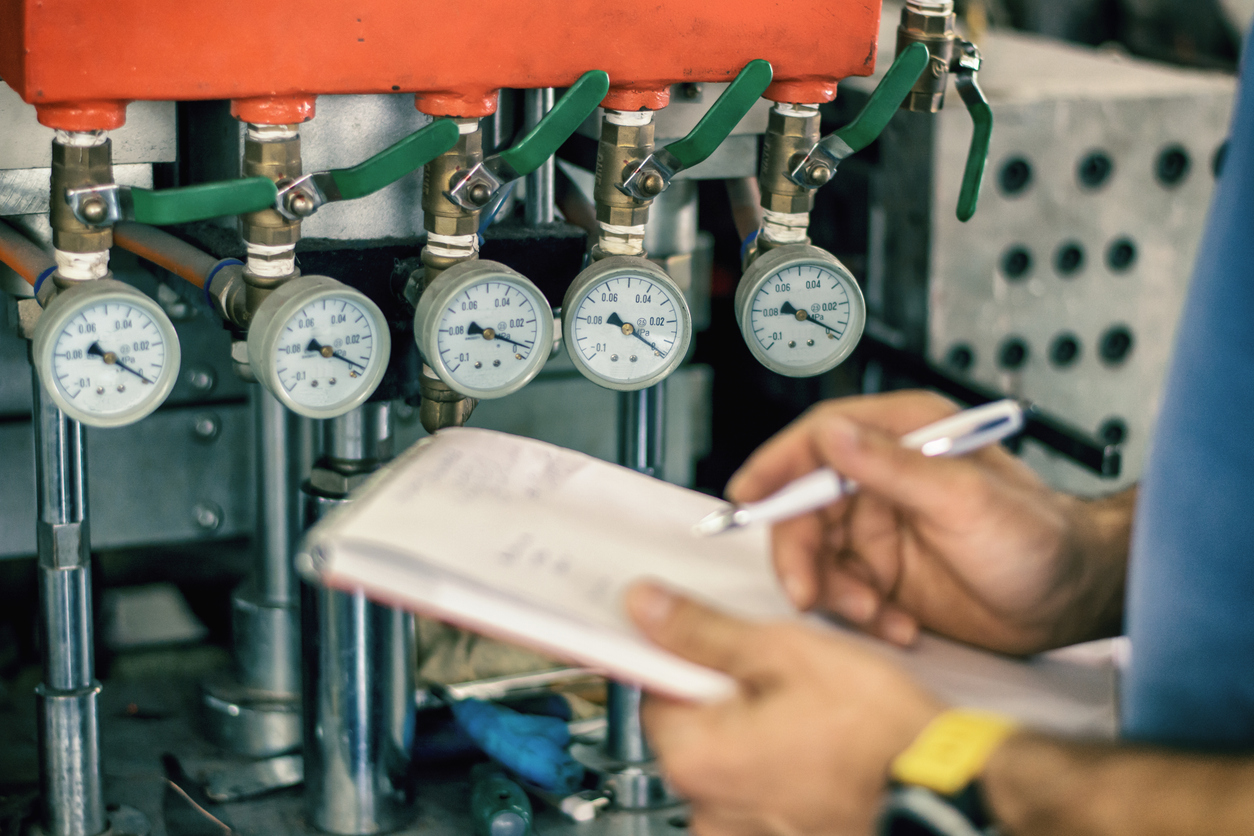
Even the best water separators and dryers require verification. Installation alone is not confirmation of performance. Regular testing confirms that moisture levels meet both operational tolerances and regulatory requirements such as ISO 8573-1. Without it, facilities risk operating outside allowable limits, exposing them to equipment damage, product contamination, and compliance failures that audits will surface.
Testing Essentials
Facilities must verify:
- Actual moisture levels: Confirm compliance with dryness specifications to ensure safe and efficient operations. Testing should be performed frequently, especially in environments with fluctuating humidity levels.
- Dryer performance: Detects underperforming or failing dryers before they lead to significant moisture issues. Regular maintenance checks can help catch problems early.
- System integrity: Identify leaks or bypasses allowing moisture into downstream processes, which can undermine the entire moisture management strategy. Routine inspections of the entire compressed air system can prevent costly repairs.
Compliance with Industry Standards
Regular testing ensures adherence to:
- ISO 8573: International compressed air quality standard that sets guidelines for various contaminants. Meeting these standards is crucial for industries such as pharmaceuticals and food processing.
- USP requirements: Pharmaceutical and biotech applications must meet strict moisture control standards. Non-compliance can lead to severe legal repercussions and product recalls.
- FDA expectations: Food, beverage, and medical manufacturing industries are subject to rigorous moisture management regulations. Keeping detailed records of testing and maintenance can demonstrate compliance during inspections.
Conclusion
Water in compressed air is a persistent threat to equipment, product quality, and operational efficiency. From condensation in tanks and pipelines to moisture-related corrosion and contamination, unmanaged water can quickly lead to costly downtime and maintenance. By understanding how water enters compressed air systems, implementing multi-stage removal strategies, and regularly testing for moisture, facilities can protect their operations and ensure reliable, high-quality performance.
Don’t leave your compressed air system to chance. Contact TRI Air today to learn how our expertise in moisture and contaminant control can safeguard your equipment, improve air quality, and keep your processes running smoothly.




The Original Compressed Air and Pure Gas Testing Laboratory
Related Articles
Air Sampling Kits – Video
TRI Air Testing offers sampling kits for use on free loan or for purchase. All...

Why wait? TRI Offers 24-Hour Turnaround Time
Compressed air testing is a vital component of many industries, both for verifying equipment functionality...
TRI’s Quality Program
At TRI Air Testing, quality is built into everything that we do. Our documented quality system...
