

Microbial Testing Explained: Methods, Uses, and Compliance

Table of Contents
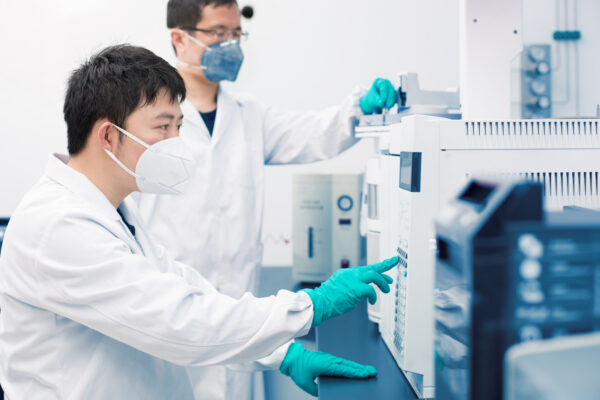
Microbial testing is essential for maintaining the safety, quality, and regulatory compliance across a variety of industries. From pharmaceuticals to food production, clean manufacturing environments, and compressed air systems, microbial testing ensures that products and processes are free from harmful contamination.
Beyond laboratory procedures, microbial testing functions as a proactive risk management tool, providing actionable insights for operational decisions and regulatory adherence. In a world where even minor microbial contamination can result in costly recalls or safety incidents, understanding microbial testing methods, applications, and best practices is critical.
This article explores the foundations of microbial testing, the industries that rely on it, modern testing methods, laboratory partnerships, regulatory expectations, and quality control procedures.
Key Takeaways
- Microbial testing identifies and quantifies microorganisms to ensure product safety, quality, and regulatory compliance.
- Regulated industries rely on microbial testing to manage contamination risks and protect consumers.
- Traditional culture-based methods remain widely accepted, while rapid and automated testing methods offer faster results and enhanced process control.
- Partnering with a specialized microbial testing laboratory, like TRI Air Testing, provides expertise, validated methods, and regulatory guidance.
- Effective microbial testing programs include standard procedures, rigorous quality control, and alignment with regulatory requirements to deliver defensible, actionable results.
What Is Microbial Testing?
Microbial testing is the process of detecting, quantifying, and identifying microorganisms in products, processes, or environments. These microorganisms include bacteria, fungi, yeast, and sometimes viruses, all of which can pose risks to product safety, efficacy, or shelf life.
The purpose of microbial testing is not merely to measure microbial presence but also to guide decisions that prevent contamination, mitigate risk, and maintain compliance with regulatory standards. By providing a snapshot of microbial populations, testing informs product release decisions, process controls, and corrective actions.
Microbial testing exists because microorganisms behave differently from chemical residues or inert particles. They can reproduce, adapt, and respond to environmental conditions, meaning their presence can escalate quickly if left uncontrolled. For instance, a batch of non-sterile pharmaceutical tablets may meet chemical specifications but still pose health risks if microbial levels are above allowable limits. Through testing, organizations gain early warnings, can investigate root causes, implement preventive measures, and demonstrate compliance with regulatory frameworks such as the United States Pharmacopeia, FDA guidance, and ISO standards.
Well-designed microbial testing programs support risk management, reduce recalls, and protect public health.
Microbial Testing Versus Chemical Or Particulate Testing
Microbial testing differs fundamentally from chemical or particulate testing because it targets living organisms. While chemical or particulate testing measures the presence of inert contaminants, microbial testing must account for growth, viability, and biological activity.
| Category | Microbial Testing | Chemical or Particulate Testing |
| Target Contaminant | Living microorganisms such as bacteria, fungi, and yeast | Inert substances such as chemicals, residues, or physical particles |
| Biological Activity | Organisms can grow, reproduce, and respond to environmental conditions | No growth or reproduction; contaminants remain static |
| Risk Profile | Risk can increase over time due to microbial proliferation | Risk level typically remains stable unless new contamination occurs |
| Sampling Considerations | Requires sterile techniques and controls to preserve organism viability | Focuses on preventing cross-contamination and maintaining representative samples |
| Detection Methods | Culture-based methods, incubation, PCR, ATP testing, flow cytometry | Chemical assays, spectroscopy, chromatography, particle counters |
| Time to Results | Often requires incubation time unless rapid methods are used | Typically faster, depending on analytical method |
| Data Interpretation | Must account for viability, growth potential, and environmental conditions | Interpreted based on concentration or particle count thresholds |
| Regulatory Focus | Emphasizes sterility, microbial limits, and contamination control | Emphasizes allowable chemical limits and particulate thresholds |
Microorganisms can also proliferate under certain conditions, meaning that sampling, analysis, and interpretation require specialized methods. Chemical residues do not multiply or evolve, but microbes can quickly turn a compliant environment into a high-risk situation if left uncontrolled.
This distinction drives the need for unique sampling approaches, incubation techniques, and detection strategies specific to microbial analysis.

The Original Compressed Air and Pure Gas Testing Laboratory

Why Microbial Testing Matters Across Regulated Industries
Microbial testing is critical for risk management in industries where product safety, environmental control, and regulatory compliance are paramount. Detecting microbial contamination early allows organizations to prevent costly recalls, product failures, and safety incidents. Each sector has unique microbial risks and testing requirements, making customized strategies essential.
Microbial Testing In The Pharmaceutical Industry
Microbial testing in the pharmaceutical industry is vital for both sterile and non-sterile products. Sterility testing ensures that injectable drugs, ophthalmic solutions, and other sterile formulations are free from harmful microorganisms. Non-sterile products, including oral medications, ointments, and supplements, are monitored through microbial limits testing to confirm they remain within safe levels.
Environmental monitoring complements product testing by assessing air quality, surfaces, and utilities in manufacturing areas. For example, cleanrooms undergo regular microbial sampling to confirm that controlled environments remain within acceptable limits.
Regulatory authorities such as the FDA, USP, and EU GMP provide clear guidance for:
- Testing frequency
- Acceptable limits
- Documentation practices
Adhering to these standards protects patients, ensures product integrity, and maintains regulatory compliance. Emerging trends include rapid microbial testing and automation, which allow pharmaceutical manufacturers to accelerate product release and strengthen quality control without compromising safety.
Microbial Testing Of Food And Beverage Products
Microbial contamination in food and beverage production can result in severe health risks and brand damage. Pathogens such as Salmonella, Listeria, and E. coli pose serious hazards, while spoilage organisms affect taste, texture, and shelf life. Microbial testing enables manufacturers to:
- Identify contamination early
- Prevent outbreaks
- Avoid costly recalls
HACCP plans integrate microbial testing results into preventive controls, providing actionable insights to improve sanitation and production practices.
For example, detecting elevated yeast levels in a beverage facility could trigger process adjustments to prevent spoilage before products leave the plant. Routine monitoring supports regulatory compliance, protects public health, and builds consumer trust.
Microbial Testing Of Air And Utilities
Air, water, and compressed gas systems are hidden reservoirs of microbial contamination that can compromise product safety. Compressed air, often overlooked, may introduce microorganisms into production lines, while cleanroom environments require strict microbial monitoring to maintain aseptic conditions. Utilities, including water systems used in manufacturing, also require periodic microbial testing to prevent biofilm formation and contamination.
Routine environmental monitoring helps organizations:
- Detect trends
- Identify potential contamination sources
- Implement corrective actions before products are affected
Regulatory authorities expect consistent microbial monitoring of critical utilities, particularly in pharmaceutical and food manufacturing. By testing air and utility systems, organizations maintain product integrity, protect employees, and reduce the risk of regulatory findings.
Rapid Microbial Testing Methods Versus Traditional Methods

The evolution of microbial testing has introduced rapid methods that complement or replace traditional culture-based techniques. Understanding the strengths, limitations, and regulatory acceptance of each approach enables organizations to implement the most effective testing strategy for their products and environments.
Traditional Microbial Testing Methods
Traditional microbial testing relies on culture-based methods such as plate counts, membrane filtration, and enrichment cultures. These methods involve incubating samples under conditions that allow microorganisms to grow to detectable levels. Incubation periods typically range from 24 hours to several days, depending on the organism and medium.
The strength of traditional methods lies in their reliability and regulatory familiarity. FDA, USP, and EU GMP guidelines reference these techniques, making them defensible during audits and inspections.
Limitations include longer turnaround times, which may delay product release, and a dependency on viable organisms being capable of growth under lab conditions. Despite these constraints, traditional methods remain a cornerstone of microbial testing programs.
Rapid Microbial Testing Methods
Rapid microbial testing methods provide results in hours rather than days, enabling faster decision-making and reducing production downtime. Techniques include:
- ATP bioluminescence, which measures cellular energy as an indicator of total microbial load.
- Polymerase chain reaction (PCR), which detects and amplifies DNA sequences specific to target organisms.
- Flow cytometry, which counts and analyzes individual cells in liquid samples.
- Advanced imaging, which identifies organisms and their viability using automated microscopy.
While rapid methods offer speed and operational advantages, regulatory acceptance varies by method and application. Validation and proper method selection are critical to ensure defensible, compliant results. Rapid testing is increasingly used in pharmaceutical and food manufacturing to complement traditional culture-based approaches.
Automated Microbial Testing Systems
Automated microbial testing platforms integrate sampling, detection, and data analysis into a single workflow.
These systems improve throughput, reduce human error, and maintain consistent testing conditions, enhancing reliability and reproducibility. Automated solutions also facilitate electronic record-keeping, trend analysis, and regulatory reporting, all of which are essential to modern quality management systems.
For organizations handling high sample volumes or operating in regulated environments, automated microbial testing systems offer significant operational and compliance advantages.
| Method | Speed | Sensitivity | Regulatory Acceptance |
| Traditional Culture-Based | 24–72 hours | High | Widely Accepted |
| ATP Bioluminescence | 1–2 hours | Moderate | Increasing |
| PCR | 2–6 hours | High | Growing |
| Flow Cytometry | 1–3 hours | High | Selective |
| Automated Systems | Varies | High | Depends on Validation |
Working With a Microbial Testing Laboratory
Partnering with a specialized microbial testing laboratory ensures access to validated methods, trained personnel, and regulatory expertise. Laboratories play a critical role in delivering accurate, actionable results that organizations can trust.
What To Expect From A Microbial Testing Lab
A professional microbial testing lab offers a controlled environment for sample analysis, with validated methods and strict quality controls. Labs maintain accreditations, such as ISO 17025, and adhere to standardized reporting practices.
Results typically include quantification, identification, and interpretation of microbial findings, providing clients with actionable insights to manage risk and comply with regulatory requirements.
Microbial Testing Labs Versus In-House Testing
Organizations may consider in-house microbial testing for convenience, but outsourcing to a specialized lab often reduces risk. External labs provide expertise, maintain regulatory compliance, and minimize the burden of method validation, training, and equipment maintenance.
For high-stakes products or environments, outsourcing microbial testing can enhance the reliability, credibility, and defensibility of results.
What Makes Quality Microbial Testing Solutions Different
Quality microbial testing solutions go beyond basic detection. They provide:
- Interpretive guidance
- Regulatory insight
- Actionable recommendations
Unlike commodity testing, high-quality services help organizations understand trends, identify root causes of contamination, and make informed decisions about process improvements, compliance strategies, and risk management.
Regulatory Expectations and Compliance Drivers

Regulatory compliance is a key driver of microbial testing programs. Auditors and inspectors expect defensible, well-documented results that demonstrate proactive microbial control and alignment with industry standards.
Microbial Testing In Audits And Inspections
Regulatory agencies, including the FDA, USP, ISO, and EU GMP authorities, evaluate microbial testing programs during audits and inspections. Organizations must maintain thorough documentation, including:
- Validated methods
- Chain of custody
- Testing records
- Corrective actions
Well-structured microbial testing programs enhance defensibility and support regulatory approval and market access.
Preferred Microbial Testing Approaches For Compliance
To meet compliance expectations, microbial testing strategies must align with regulatory intent rather than merely check off items on a checklist. Selecting validated methods, trending data over time, and interpreting results within the context of risk management ensures that testing programs are meaningful, actionable, and defensible.
Avoiding “checkbox testing” fosters a culture of continuous improvement and protects both product quality and patient safety.
The Original Compressed Air and Pure Gas Testing Laboratory
Microbial Testing Procedures and Quality Control
Effective microbial testing programs rely on standardized procedures and rigorous quality control measures. These practices ensure reliable results, minimize false positives or negatives, and support regulatory compliance.
Standard Microbial Testing Procedures: A Step-by-Step Process
Standard microbial testing procedures follow a structured workflow. Each phase builds on the last to protect sample integrity and ensure valid results.
1. Test Planning and Method Selection
Before a single sample is collected, the process begins with:
- Defining the objective (routine monitoring, validation, investigation, release testing)
- Identifying applicable standards (e.g., ISO, USP, FDA, industry-specific guidance)
- Selecting validated methods appropriate for the sample type (air, water, compressed air, surfaces, product)
Clear planning prevents misaligned methods and unnecessary re-testing.
2. Controlled Sample Collection
Sampling is one of the highest-risk steps for error. Standard procedures require:
- Use of sterile, validated sampling equipment
- Trained personnel following written SOPs
- Defined sampling locations and volumes
- Environmental controls to prevent cross-contamination
Improper sampling can invalidate otherwise perfect lab work.
3. Sample Handling and Preservation
Once collected, samples must be protected from degradation or contamination:
- Immediate sealing and labeling
- Proper temperature control during storage and transport
- Use of validated transport media when required
- Documented timelines from collection to analysis
This step ensures the microbes detected reflect the system, not what happened during transit.
4. Chain of Custody Documentation
Every sample should be traceable from collection to reporting:
- Unique sample identifiers
- Documented custody transfers
- Time and condition verification
- Secure recordkeeping
Chain of custody protects data defensibility—especially during audits or regulatory inspections.
5. Laboratory Processing and Incubation
In the laboratory:
- Samples are prepared according to validated protocols
- Culture media is verified and quality-checked
- Incubation conditions (time, temperature, atmosphere) are controlled
- Positive and negative controls are included
Consistency at this stage minimizes variability and false outcomes.
6. Enumeration and Identification
After incubation:
- Colonies are counted using standardized methods
- Results are calculated according to defined formulas
- Identification testing is performed when required
- Data is verified by trained analysts
This phase converts biological growth into quantitative, reportable data.
7. Data Review and Technical Validation
Before results are released:
- Data is reviewed against specifications
- QC controls are evaluated
- Deviations are documented and investigated
- A technical authority verifies the findings
This final review step ensures the reported result is accurate, complete, and compliant.
Microbial Quality Control Testing

While standard procedures govern how a single test is performed, microbial quality control testing governs how testing is used to protect operations over time.
QC testing is ongoing. It’s systematic and proactive.
1. Establishing Baselines and Alert Levels
The first step in QC is defining:
- Acceptable microbial limits
- Alert and action thresholds
- Sampling frequency
- Monitoring locations
Baseline data establishes what “normal” looks like.
2. Routine Environmental and Process Monitoring
QC programs typically include:
- Production environment monitoring
- Utility testing (compressed air, water, gases)
- Surface sampling
- Product testing where required
Routine sampling creates trendable datasets rather than isolated data points.
3. Trending and Data Analysis
Raw counts alone are not enough. QC testing requires:
- Trend analysis over time
- Comparison between sampling points
- Identification of gradual increases
- Detection of recurring deviations
Trending often reveals system deterioration before a specification failure occurs.
4. Investigation of Deviations
When results exceed alert or action levels:
- Root cause analysis is initiated
- Sampling methods are reviewed
- Equipment and processes are evaluated
- Corrective actions are documented
Effective QC programs treat deviations as diagnostic signals—not isolated incidents.
5. Corrective and Preventive Actions (CAPA)
Following investigation:
- Immediate corrective actions address the current issue
- Preventive actions reduce recurrence risk
- Procedures may be revised
- Additional monitoring may be implemented
CAPA closes the loop and strengthens the overall control strategy.
6. Ongoing Program Review
Microbial quality control is not static. Programs are periodically reviewed to:
- Adjust sampling frequency
- Update specifications
- Validate new equipment or process changes
- Maintain regulatory alignment
Continuous improvement ensures the QC system evolves alongside operations.
Conclusion
Microbial testing is a cornerstone of risk management, regulatory compliance, and product safety across pharmaceuticals, food and beverage, and critical manufacturing environments. From traditional culture-based methods to rapid, automated technologies, microbial testing provides actionable insights that protect products, consumers, and an organization’s reputation.
Partnering with a qualified microbial testing laboratory ensures reliable results, regulatory guidance, and operational efficiency. Organizations that prioritize robust microbial testing programs gain a strategic advantage in compliance, quality, and risk mitigation.
Contact TRI Air Testing today to learn how professional microbial testing services can safeguard your products and processes while supporting regulatory compliance.
Join thousands of business owners & companies who trust TRI Air Testing.

The Original Compressed Air and Pure Gas Testing Laboratory
Related Articles

Compressed Air and Food Quality
High-quality compressed air is critical for providing food products that are not only cost effective...
Cheers to 2012!
Are you stocking up on food and drinks for New Year’s Eve or FOOTBALL parties?...
Chocolate and Compressed Air
Chocolate rarely needs help getting off the shelf, but special days associated with chocolate (Easter,...
