

Indoor Air Quality Testing: A Guide for Facility Teams

Table of Contents
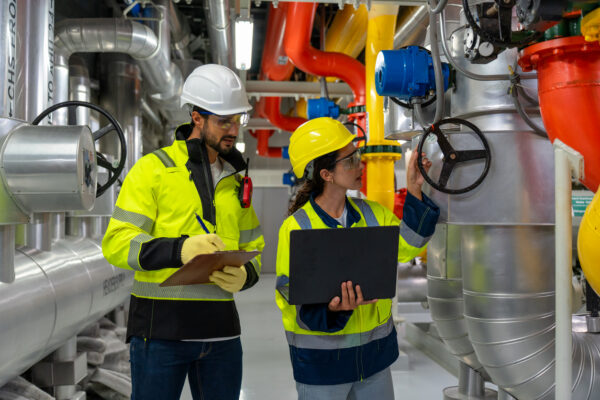
Most indoor air quality problems aren’t discovered by an air monitor or a visible plume of contamination. They’re discovered when people start complaining. Persistent headaches, respiratory irritation, unexplained odors, or recurring tenant concerns are often the first signs that something in the building environment isn’t right and air quality testing is needed. But by then, the underlying issue may have been developing for weeks or even months.
Indoor air quality (IAQ) testing gives facility teams objective, laboratory-verified data to identify contaminants, confirm suspected problems, and prioritize corrective action. Whether you’re responding to occupant complaints, preparing for an inspection, or building a proactive maintenance program, reliable IAQ testing helps replace assumptions with measurable evidence.
In this guide, you’ll learn what an indoor air quality testing service involves, the contaminants it can detect, how the testing process works, when it’s needed, and what to look for in an accredited testing partner.
Key Takeaways
- Indoor air quality testing service provides verified data, not just sensor readings. Laboratory analysis helps identify contaminants, confirm their sources, and support informed remediation and compliance decisions.
- Poor IAQ affects both people and operations. Contaminants such as mold, VOCs, particulate matter, combustion gases, and radon can impact occupant health, productivity, regulatory readiness, and facility risk.
- Accurate results depend on proper sampling and expert interpretation. Following validated collection protocols and working with an accredited laboratory are just as important as the testing equipment itself.
- Different facilities face different IAQ challenges. Healthcare, education, commercial, industrial, and residential properties each have unique testing drivers, regulatory expectations, and risk profiles.
- The most effective IAQ programs are ongoing, not reactive. Baseline testing, periodic reassessments, HVAC coordination, and historical trend analysis help facility teams maintain healthier buildings over the long term.
What Is Indoor Air Quality Testing?
Indoor air quality (IAQ) testing is the process of sampling and analyzing the air inside a building to identify pollutants, allergens, and environmental conditions that may affect occupant health, comfort, and building performance. Rather than relying on assumptions or occupant observations alone, IAQ testing provides objective data that helps facility teams understand what is present in the indoor environment and whether corrective action is needed.
Testing may evaluate a wide range of contaminants depending on the building, its use, and the concern being investigated.
In some cases, surface or bulk samples may also be collected to investigate microbial growth or contamination following water damage.
Professional IAQ testing differs significantly from general air monitoring. Many buildings use sensors to continuously measure conditions such as temperature, humidity, carbon dioxide, or particulate levels. While these systems provide useful operational information, they typically offer only real-time readings and can’t identify the specific contaminants present or verify their concentrations through laboratory analysis.
Indoor air quality testing, by contrast, follows established sampling protocols and uses accredited laboratories to analyze collected samples. The resulting documentation provides defensible evidence that can support remediation projects, regulatory compliance, insurance claims, litigation, or internal environmental health programs. This level of verification is especially important when facilities need to demonstrate that corrective actions have resolved an identified issue.
Organizations conduct IAQ testing for many different reasons. Occupant complaints about odors or health symptoms are among the most common triggers, but testing is also frequently performed after water damage, during mold investigations, following construction or renovation projects, before reoccupying a building, after a fire, or as part of a routine preventive maintenance program. Some facilities also perform scheduled testing to establish baseline conditions and monitor long-term trends in indoor air quality.
Why Indoor Air Quality Matters for Building Occupants and Operations
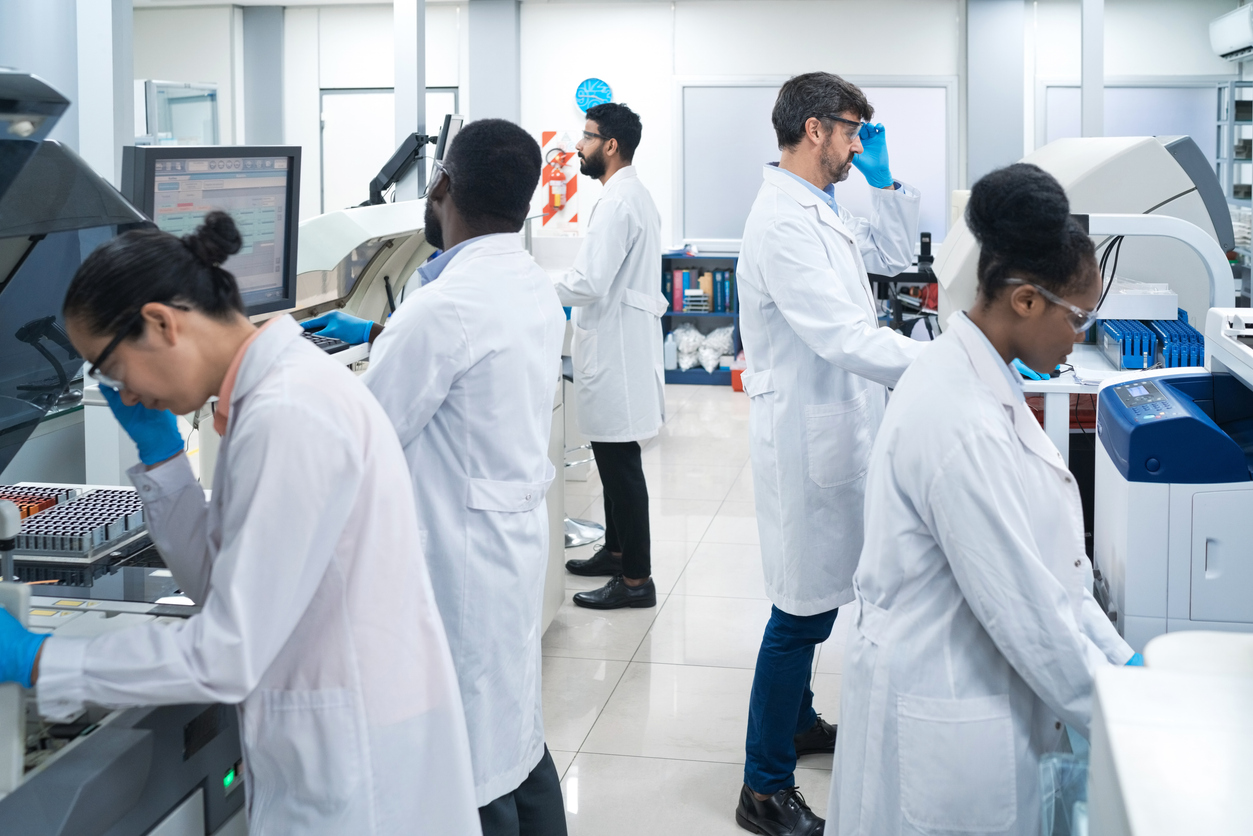
Indoor air quality has a direct impact on the health, comfort, and performance of everyone who uses a building. Poor IAQ can contribute to:
- Respiratory irritation
- Allergic reactions
- Headaches
- Fatigue
- Eye or throat irritation
In some cases, long-term exposure to contaminants such as mold, radon, or certain VOCs may increase the risk of more serious health conditions.
The effects extend beyond occupant health as well. Poor indoor air quality can lead to higher absenteeism, lower productivity, tenant dissatisfaction, patient complaints and poorer outcomes in healthcare settings, and increased maintenance costs. For building owners and operators, unresolved IAQ issues may also create regulatory, legal, or reputational risks if they result in documented health concerns or noncompliance.
One of the biggest challenges is that poor IAQ is often invisible. Many contaminants can’t be seen or smelled, and problems may go unnoticed until occupants begin reporting symptoms or complaints. Proactive indoor air quality testing helps facility teams identify issues early, reduce risk, and make informed decisions before minor problems become costly disruptions.
Common Indoor Air Contaminants and What They Indicate
Indoor air can contain a wide range of contaminants, each pointing to different environmental conditions or building issues. Identifying the type and concentration of these pollutants helps facility teams determine the source of the problem and select the most effective corrective action.
Mold and Microbial Growth
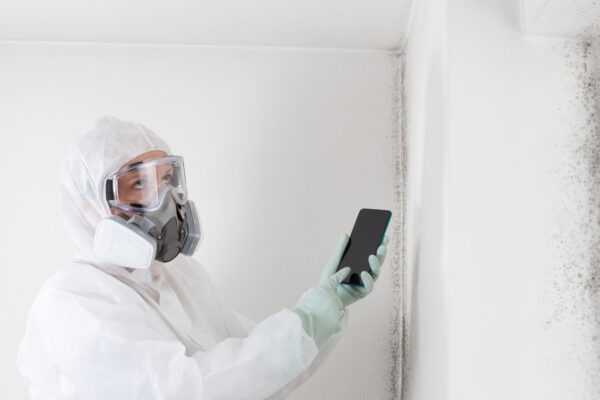
Mold is one of the most common reasons facilities request indoor air quality testing services. It develops when excess moisture combines with organic materials such as drywall, insulation, wood, or ceiling tiles. Roof leaks, plumbing failures, flooding, condensation, and consistently high indoor humidity all create favorable conditions for microbial growth.
Professional mold testing typically includes airborne spore sampling and, when appropriate, surface sampling. Laboratory analysis identifies mold types and measures spore concentrations, allowing specialists to compare indoor conditions with outdoor baseline levels. These findings help determine whether elevated mold growth exists, identify the likely source of contamination, and guide remediation efforts.
Testing also provides valuable documentation after remediation to verify that cleanup activities successfully restored acceptable indoor conditions before occupants return.
Volatile Organic Compounds (VOCs)
VOCs are gases released from numerous products commonly found inside buildings. Paints, adhesives, flooring materials, furniture, carpeting, cleaning chemicals, office equipment, and manufactured wood products can all emit VOCs through a process known as off-gassing.
VOC concentrations are often highest after new construction, remodeling projects, or interior renovations, when freshly installed materials release chemicals into the indoor environment. Inadequate ventilation can allow these compounds to accumulate, leading to occupant complaints even in otherwise well-maintained buildings.
Particulate Matter (PM2.5 and PM10)
Particulate matter consists of microscopic solid particles and liquid droplets suspended in the air. PM10 includes larger inhalable particles, while PM2.5 refers to much finer particles capable of penetrating deep into the lungs.
Indoor particulate matter originates from many sources, including construction activities, dust generated during maintenance, combustion equipment, cooking, printing operations, outdoor pollution entering through ventilation systems, and normal occupant activity. Poor filtration or improperly maintained HVAC systems can allow particles to accumulate throughout occupied spaces.
Elevated particulate concentrations are especially concerning in hospitals, schools, laboratories, clean manufacturing environments, and facilities serving individuals with asthma or other respiratory conditions.
Carbon Monoxide and Combustion Gases
Carbon monoxide (CO) is among the most dangerous indoor air contaminants because it can’t be seen, smelled, or tasted. Even relatively low concentrations can produce headaches, dizziness, nausea, fatigue, and confusion, while higher concentrations may become life-threatening.
Common sources include:
- Malfunctioning boilers
- Furnaces
- Water heaters
- Generators
- Loading docks
- Attached parking garages
- Commercial kitchens
- Improperly vented combustion equipment
Unlike many indoor air quality concerns that can be addressed through planned remediation, elevated carbon monoxide requires immediate attention. Testing identifies hazardous conditions quickly so facilities can isolate affected areas, repair equipment, improve ventilation, and protect building occupants.
Radon
Radon is a naturally occurring radioactive gas produced by the breakdown of uranium in soil and rock. Because it is colorless, odorless, and tasteless, occupants typically have no indication that elevated concentrations are present.
The gas enters buildings through cracks in foundations, utility penetrations, expansion joints, and other openings where the structure contacts the ground. Once inside, radon may accumulate in basements, crawl spaces, and lower occupied floors, particularly when ventilation is limited.
Radon testing uses specialized sampling methods and should not be confused with general indoor air quality assessments. Depending on local regulations and building type, testing may be recommended or required during property transactions, occupancy changes, or periodic environmental evaluations.
Allergens and Biological Contaminants
Dust mites, pollen, pet dander, insect debris, bacteria, and other biological materials accumulate naturally inside occupied buildings. HVAC systems, upholstered furniture, carpeting, and high-traffic areas can all contribute to allergen buildup if cleaning and filtration practices are insufficient.
For individuals with allergies or asthma, elevated allergen levels may trigger sneezing, congestion, coughing, eye irritation, and breathing difficulties. Schools, healthcare facilities, daycare centers, and multi-family residential buildings often prioritize allergen management because of the sensitivity of their occupants.
Common Indoor Air Contaminants, Sources, and Health Effects
| Contaminant | Common Sources | Potential Health Effects |
| Mold and microbial spores | Water intrusion, plumbing leaks, flooding, high humidity, poor ventilation | Allergic reactions, asthma flare-ups, respiratory irritation, musty odors |
| VOCs | Paints, adhesives, cleaning products, furnishings, flooring, building materials | Headaches, dizziness, eye and throat irritation, long-term exposure concerns |
| PM2.5 and PM10 | Dust, combustion, construction, outdoor air infiltration, HVAC deficiencies | Respiratory irritation, reduced lung function, aggravated asthma |
| Carbon monoxide | Boilers, furnaces, generators, attached garages, fuel-burning appliances | Headaches, nausea, dizziness, poisoning, life-threatening exposure |
| Radon | Soil gas entering through foundations and slab openings | Increased long-term risk of lung cancer |
| Allergens | Dust mites, pollen, pet dander, biological debris | Allergic reactions, eye irritation, congestion, asthma symptoms |
How Indoor Air Quality Testing Services Works
Indoor air quality testing services follows a structured process designed to identify contaminants and provide reliable, defensible results:
- A pre-assessment is conducted to understand the building, occupant concerns, and potential pollution sources.
- Samples are then collected using methods appropriate for the suspected contaminant, such as air sampling pumps, passive badges, surface swabs, or direct-read instruments.
- After laboratory analysis, the findings are compiled into a report that explains what was detected and what actions, if any, should be taken.
The sampling method depends on the specific contaminant being evaluated. Just as important as the equipment is the collection protocol. Poor sampling techniques can produce misleading results, which is why experienced air purity specialists are essential for obtaining accurate, representative data.
What to Expect From a Site Assessment
An on-site assessment from an indoor air quality testing service consists of an air purity specialist team evaluating the building’s layout, ventilation systems, occupancy patterns, moisture conditions, and any recent maintenance or construction activities that could influence indoor air quality.
These specialists also interview facility personnel to understand recurring complaints, review HVAC maintenance records, and identify areas where occupants have reported symptoms or unusual odors.
Sampling locations are selected carefully to represent both occupied spaces and suspected contamination sources. Depending on the project, samples may be collected:
- Near HVAC returns and supply vents
- Inside mechanical rooms
- Adjacent to water-damaged materials
- In representative occupied work areas
Outdoor samples are often collected as a baseline for comparison, particularly during mold investigations.
Reading and Interpreting IAQ Test Results
Laboratory reports typically include contaminant concentrations, mold spore counts, particulate measurements, or PPM readings depending on the testing performed. While these values provide objective data, they rarely tell the full story on their own.
Proper interpretation considers building type, occupancy, outdoor environmental conditions, ventilation performance, sampling locations, and the reason testing was performed. For example, elevated mold spores may indicate active growth or they may simply reflect outdoor seasonal conditions if indoor and outdoor samples are comparable.
A report containing only laboratory numbers leaves facility managers to determine what the findings mean and how they should respond. A qualified indoor air quality testing service provider explains the significance of the results, identifies likely contamination sources, prioritizes risks, and recommends practical corrective actions. This guidance enables facility teams to move quickly from investigation to resolution while documenting each step of the process.
Who Needs Indoor Air Quality Testing Services?
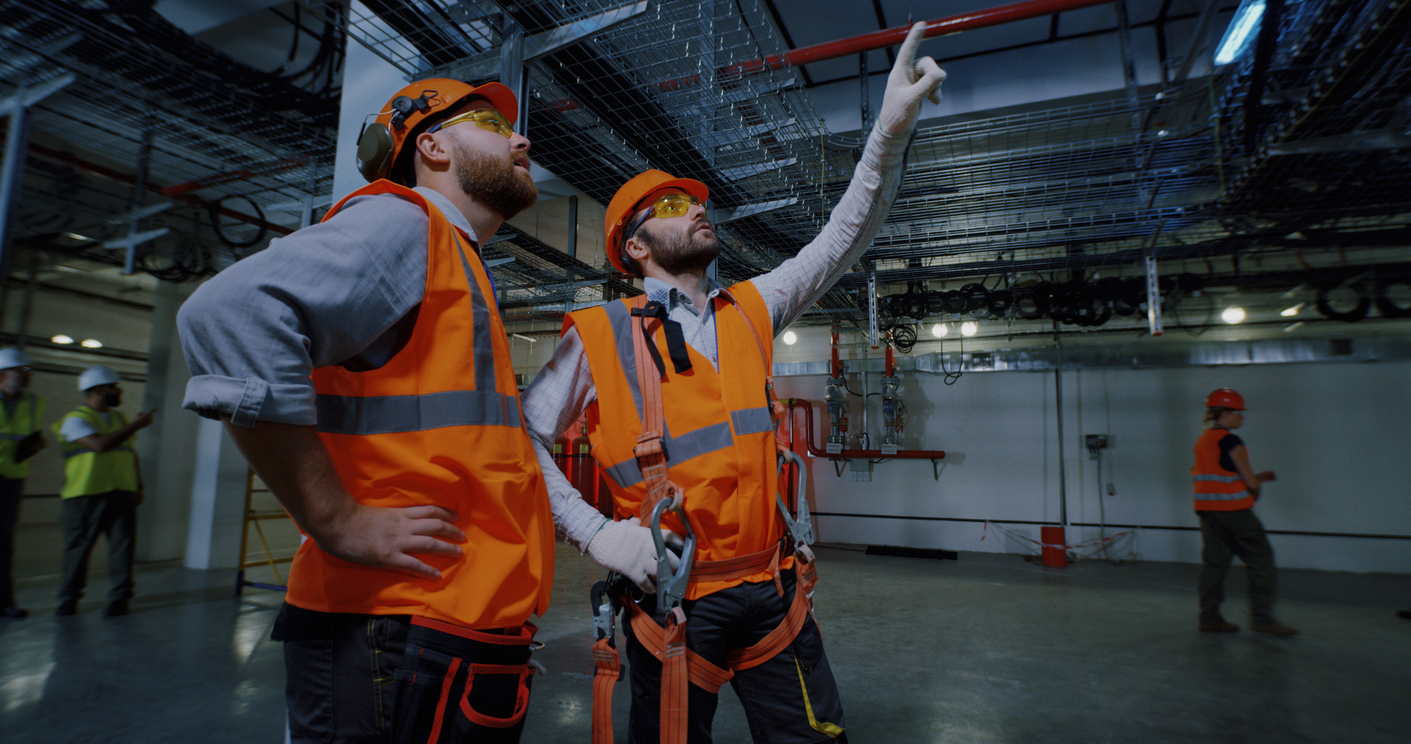
Any organization responsible for maintaining a safe, healthy, and compliant indoor environment can benefit from indoor air quality (IAQ) testing. However, the reasons for testing and the contaminants of greatest concern vary depending on the building’s purpose, occupant population, and regulatory obligations.
Some facilities perform IAQ testing only after occupant complaints arise, while others incorporate routine assessments into preventive maintenance and environmental health programs. In either case, professional testing provides objective data that helps facility teams identify issues, prioritize corrective actions, and document building conditions.
- Healthcare Facilities:Hospitals, clinics, and long-term care facilities rely on IAQ testing to support infection control programs, protect vulnerable patients, and prepare for regulatory inspections. Routine testing can also verify the effectiveness of ventilation systems and identify airborne contaminants before they become larger issues.
- Schools and Educational Institutions: Schools use IAQ testing to promote healthy learning environments for students and staff. Common testing triggers include recurring respiratory complaints, suspected mold growth, poor ventilation, water damage, and concerns raised by parents or school administrators.
- Office Buildings and Commercial Real Estate: Property owners and facility managers often perform IAQ testing in response to tenant complaints about odors, discomfort, or poor air quality. Testing can also support lease compliance, post-renovation verification, and proactive building maintenance to improve occupant satisfaction.
- Manufacturing and Industrial Facilities: Industrial environments may require indoor air quality testing services to evaluate worker exposure to airborne contaminants generated during production processes. Indoor air quality testing can support workplace safety programs, OSHA compliance efforts, and investigations into ventilation performance or employee health concerns.
- Multi-Family and Residential Property Managers: Apartment communities, condominiums, and residential properties commonly request IAQ testing for mold investigations, indoor air complaints, water damage assessments, or radon evaluations. Independent laboratory results can also help document conditions during tenant disputes or property transactions.
Each facility type has different regulatory expectations, operational priorities, and risk tolerances. Working with an indoor air quality testing service provider that has experience across multiple industries helps ensure the testing approach, interpretation, and recommendations align with the specific requirements of each environment.
Facility Type, Common IAQ Concerns, and Typical Testing Triggers
| Facility Type | Common IAQ Concerns | Typical Testing Triggers |
| Healthcare facilities | Airborne pathogens, mold, ventilation performance, particulate control | Infection prevention, regulatory inspections, renovations, patient complaints |
| Schools and educational institutions | Mold, allergens, poor ventilation, moisture intrusion | Student or staff complaints, water damage, parent concerns, HVAC evaluations |
| Office buildings and commercial real estate | VOCs, odors, HVAC performance, indoor comfort | Tenant complaints, lease compliance, renovations, new occupancy |
| Manufacturing and industrial facilities | Dust, combustion gases, airborne process contaminants | Worker exposure concerns, OSHA initiatives, ventilation assessments |
| Multi-family and residential properties | Mold, radon, allergens, moisture issues | Tenant complaints, insurance claims, property transactions, water damage |
Choosing an Indoor Air Quality Testing Company
Selecting an indoor air quality testing company involves more than comparing prices or available equipment. The quality of the investigation ultimately depends on the provider’s:
- Technical expertise
- Laboratory capabilities
- Sampling procedures
- Ability to translate data into practical recommendations
A reputable testing provider follows established sampling protocols, uses validated analytical methods, and delivers results that facility teams can confidently use to support maintenance decisions, remediation projects, compliance efforts, or insurance documentation.
One of the first qualifications to verify is laboratory accreditation. Facilities should look for laboratories operating under ISO/IEC 17025:2017, the internationally recognized standard for testing and calibration laboratories. Accreditation by respected organizations such as A2LA and AIHA demonstrates that the laboratory has been independently evaluated for technical competence, quality systems, and analytical accuracy.
Experience is equally important. Air purity specialists who have spent decades analyzing environmental samples often recognize contamination patterns that general inspection services may overlook. Their knowledge helps distinguish between normal environmental variation and conditions that warrant corrective action, reducing the risk of unnecessary remediation or incomplete investigations.
Turnaround time should also factor into the decision. Facilities responding to occupant complaints, regulatory inspections, or restoration projects often need laboratory results quickly to minimize disruption and make timely decisions. An experienced testing provider can balance rapid reporting with rigorous quality control.
Finally, consider the quality of the final report. The most valuable indoor air quality testing services do more than deliver laboratory numbers. They:
- Explain the significance of the findings
- Identify likely contamination sources
- Prioritize risks
- Recommend practical next steps
This guidance helps facility managers move from investigation to resolution with confidence.
For nearly 50 years, TRI Air Testing has provided accredited laboratory testing services for organizations across healthcare, manufacturing, education, commercial real estate, and other industries. In addition to indoor and ambient air quality testing, TRI offers compressed air and gas testing, mold analysis, and potable water testing, giving facilities a single, trusted laboratory partner for multiple environmental testing needs.
Building an Ongoing Indoor Air Quality Program
Indoor air quality isn’t a one-time fix. It’s an ongoing part of facility management.
Buildings change constantly. Occupancy shifts, HVAC systems age, renovations happen, and seasons change indoor conditions. A proactive IAQ program helps facility teams catch these changes early, before they turn into health or operational problems.
Start With Baseline Testing
Baseline testing is the foundation of any IAQ program. It gives you a reference point for what “normal” looks like in your building.
Without a baseline, facility managers can’t easily tell if current conditions are a new problem or just typical building performance.
Retest on a Regular Schedule
Periodic retesting confirms that air quality stays consistent over time. Most organizations retest:
- Annually
- After renovations
- After HVAC upgrades
- After water intrusion
- After major occupancy changes
Coordinate Testing With HVAC Maintenance
IAQ testing works best alongside routine HVAC maintenance, including:
- Filter replacements
- Duct cleaning
- Ventilation balancing
- Humidity control
- Preventive equipment maintenance
Timing tests around this maintenance confirms building systems are performing as they should.
Keep Detailed Records
Documentation matters just as much as testing. Keep records of:
- Lab reports
- Sampling locations
- Remediation activities
- Historical test results
These records support audits, inspections, environmental management systems, and insurance requirements. They also make it easier to prove whether corrective actions actually worked.
Stick With One Testing Partner
Working with the same air testing provider over time has a real advantage. Consistent sampling methods, lab procedures, and report formats create accurate historical comparisons. This makes it easier to spot gradual changes that might otherwise slip by unnoticed.
Treat indoor air quality as an ongoing performance metric, not a reactive maintenance task. This approach lowers risk, builds occupant confidence, and supports a healthier building over the long term.
Making Indoor Air Quality a Measurable Part of Facility Management

Indoor air quality is not a matter of guesswork. With professional sampling, accredited laboratory analysis, and expert interpretation, facility teams can identify contaminants, verify environmental conditions, and make decisions based on measurable evidence instead of assumptions or anecdotal complaints.
Whether the goal is responding to occupant concerns, preparing for a regulatory inspection, validating remediation efforts, or supporting a preventive maintenance program, indoor air quality testing services provide the objective data needed to protect both people and building operations.
For organizations managing multiple environmental testing requirements, partnering with a single experienced laboratory simplifies the process. Along with indoor and ambient air quality testing, TRI Air Testing provides accredited testing services for compressed air and gases, mold, and potable water, helping facilities address a broad range of environmental quality and compliance needs through one trusted resource.
Ready to better understand the air your occupants breathe? Contact TRI Air Testing today to schedule a professional indoor air quality assessment.



Related Articles
Air Sampling Kits – Video
TRI Air Testing offers sampling kits for use on free loan or for purchase. All...

Why wait? TRI Offers 24-Hour Turnaround Time
Compressed air testing is a vital component of many industries, both for verifying equipment functionality...
TRI’s Quality Program
At TRI Air Testing, quality is built into everything that we do. Our documented quality system...
