

Post Mold Remediation Testing: What to Know

Table of Contents
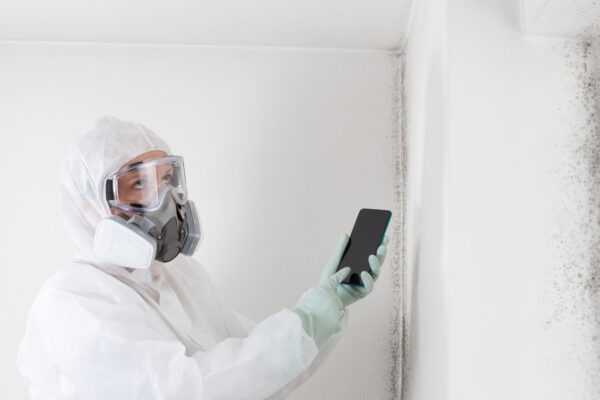
A mold remediation project isn’t complete simply because damaged materials have been removed. The final step is confirming that the cleanup was successful and the property is safe to reoccupy. Without independent post mold remediation testing, there’s no objective way to verify that airborne mold levels have returned to normal, hidden contamination has been eliminated, or the conditions that caused mold growth have been resolved.
Whether you’re a homeowner, property manager, insurance adjuster, or facility operator, post remediation testing provides the evidence needed to close a remediation project with confidence. This guide explains what clearance testing is, when it should occur, how results are interpreted, and why independent, accredited testing matters.
Key Takeaways
- Post mold remediation testing verifies cleanup success. It’s an independent clearance assessment performed after remediation to confirm that mold has been effectively removed and the building is safe for reoccupancy.
- Timing and site readiness directly affect accuracy. Testing should typically occur 24-48 hours after remediation is complete, once the building has stabilized and normal operating conditions have resumed.
- Passing clearance depends on the complete environmental picture. Inspectors evaluate laboratory results alongside visual inspections and moisture measurements to determine whether remediation was successful.
- Independent, accredited testing provides the most defensible results. Using an ISO/IEC 17025:2017 and A2LA-accredited laboratory helps ensure objective findings that can support insurance claims, real estate transactions, regulatory compliance, and safe reoccupancy decisions.
What Is Post Mold Remediation Testing?
Post mold remediation testing is the final verification step after mold cleanup has been completed. Unlike initial mold testing, which identifies contamination and helps define the scope of remediation, clearance testing determines whether remediation was successful and whether the building can be safely reoccupied.
Testing is performed after contaminated materials have been removed, moisture problems corrected, and final cleaning completed. An independent environmental testing company evaluates the space using visual inspections, air sampling, moisture measurements, and, when necessary, surface sampling to verify that mold levels have returned to acceptable conditions.
Why Independent Verification Matters
Industry best practices recommend that post remediation testing be performed by a company that didn’t complete the remediation work.
When the same contractor both performs the cleanup and certifies its success, a conflict of interest can arise. Independent testing provides an objective evaluation based on environmental data rather than the contractor’s assessment.
Independent clearance testing helps:
- Verify remediation was successful.
- Eliminate conflicts of interest.
- Build confidence for property owners, buyers, insurers, and facility managers.
- Document that remediation goals were achieved.
- Provide evidence for insurance claims, real estate transactions, or compliance requirements.
For commercial buildings, healthcare facilities, and schools, third-party testing also demonstrates due diligence before occupants return.
What Post Remediation Testing Confirms
A successful clearance inspection verifies that remediation addressed both the contamination and the conditions that allowed mold to grow.
Post remediation testing typically confirms that:
- Indoor mold spore levels have returned to normal background conditions by comparing indoor and outdoor air samples.
- No active contamination remains within remediated materials or surfaces.
- Mold has not spread to adjacent areas during remediation.
- Moisture problems have been resolved, reducing the likelihood of future mold growth.
- Indoor air quality is suitable for reoccupancy based on laboratory findings, visual inspection, and moisture measurements.
These findings confirm the remediation achieved its goal and the property is ready for normal use.
When Mold Testing After Remediation Should Happen
Timing plays a key role in obtaining accurate clearance results. Testing too soon can capture residual dust or disturbed spores, while waiting until the site has stabilized provides a more reliable assessment of whether remediation was successful.
Minimum Waiting Period After Remediation Work
Clearance testing should only take place after all remediation activities are complete and the building has returned to normal operating conditions. Sampling immediately after demolition or HEPA cleaning may produce misleading results because airborne particles have not yet settled.
Industry best practices generally recommend waiting 24-48 hours before testing. During this time:
- Airborne dust and debris can settle.
- HVAC systems return to normal operation.
- Final cleaning can be confirmed.
- Indoor conditions stabilize, providing more representative samples.
Large commercial projects or facilities with multiple containment zones may require different timelines based on the remediation plan, but the goal remains the same: test under normal occupancy conditions rather than during active cleanup.
Site Conditions Required Before Testing
Before clearance testing begins, inspectors verify that the site is ready for evaluation. Typical requirements include:
- Containment barriers removed (unless project specifications require otherwise).
- Remediated surfaces are clean and completely dry.
- HVAC systems are operating normally.
- No active construction, demolition, or dust-generating work.
- All remediation work is complete.
- The original moisture source has been corrected.
Meeting these conditions helps ensure that laboratory results reflect the effectiveness of the remediation, not temporary environmental disturbances.
Pre-Testing Readiness Checklist
| Condition | Why It Matters | Verified By |
| Remediation work fully completed | Ensures testing evaluates the finished project rather than work in progress | Visual inspection and project documentation |
| Containment barriers removed (when appropriate) | Confirms testing reflects normal building conditions and airflow | Inspector verification |
| Surfaces are clean and dry | Reduces the risk of residual dust or moisture affecting results | Visual inspection and moisture measurements |
| Moisture source corrected | Prevents continued mold growth after clearance | Moisture meter readings and repair documentation |
| HVAC system operating normally | Produces representative indoor air samples under typical occupancy conditions | HVAC operational check |
| No active construction or demolition | Prevents airborne dust from skewing laboratory results | Site inspection |
| No recent cleaning that disturbs dust | Allows airborne particles to settle before sampling | Inspection and project schedule review |
| Building conditions stable for 24-48 hours | Improves the accuracy and consistency of clearance sampling | Project timeline and inspector confirmation |
How Mold Testing After Remediation Differs From Initial Testing

Although both involve environmental sampling, initial mold testing and post remediation testing serve different purposes. Initial testing identifies contamination and helps define the scope of remediation, while clearance testing verifies that cleanup was successful.
Different Benchmarks for Success
Initial mold testing asks, “Is there a mold problem?” Post remediation testing asks, “Has the problem been resolved?”
Because mold spores naturally occur in the environment, clearance testing doesn’t require zero spores indoors. Instead, inspectors evaluate whether:
- Indoor spore levels are consistent with normal outdoor conditions.
- Target mold species are no longer elevated.
- No active mold growth is visible.
- Moisture issues have been corrected.
Rather than relying on a single numerical threshold, environmental professionals interpret laboratory results together with visual inspections and moisture measurements to determine whether the building has returned to normal conditions.
Higher Stakes for Accuracy
Clearance testing often determines whether a remediation project can officially be closed. Its results may be used to:
- Approve residential or commercial reoccupancy.
- Close insurance claims.
- Verify contractual remediation requirements.
- Support real estate transactions.
- Document compliance for schools, healthcare facilities, and commercial buildings.
Because these decisions carry legal and financial implications, post remediation testing should be performed by an independent environmental testing laboratory using recognized industry protocols and accredited laboratory analysis.
Interpreting Post Remediation Testing Results
A clearance report provides the final confirmation that remediation has achieved its goal. Rather than relying on a single measurement, environmental professionals evaluate laboratory data alongside visual inspections and moisture readings to determine whether the property is ready for reoccupancy.
What a Passing Result Looks Like
A passing clearance test indicates that the remediated area has returned to normal environmental conditions with no evidence of ongoing mold amplification.
A successful report typically shows:
- Indoor airborne spore levels are comparable to outdoor background levels.
- No elevated concentrations of the mold species associated with the original contamination.
- No visible mold growth or excessive dust on remediated surfaces.
- Dry building materials, confirming the moisture source has been corrected.
- No evidence of cross-contamination in surrounding areas.
What a Failed Clearance Test Means
A failed clearance test indicates that contamination may still be present or that conditions were not suitable for accurate testing. It doesn’t necessarily mean the entire remediation project failed.
Common causes include:
- Residual mold contamination.
- Elevated indoor spore counts compared with outdoor samples.
- Ongoing moisture intrusion.
- Cross-contamination during remediation.
- Dust or debris remaining after cleanup.
When a project doesn’t pass, the next steps typically include:
- Reviewing laboratory findings.
- Re-inspecting the affected area.
- Identifying unresolved moisture sources.
- Completing additional remediation or cleaning.
- Performing a new clearance test after the site has stabilized.
If contamination extends beyond the original work area, remediation may need to be expanded before the property can pass clearance.
Sample Clearance Report Snapshot
| Sample Location | Species Detected | Result vs. Outdoor Baseline | Pass/Fail |
| Remediated living room | Low background Cladosporium | Comparable to outdoor sample | Pass |
| Basement after remediation | Elevated Aspergillus/Penicillium-type spores | Significantly above outdoor baseline | Fail |
| Adjacent hallway | Typical outdoor fungal mix | Consistent with outdoor conditions | Pass |
| HVAC supply vent | No elevated target species detected | Within expected background range | Pass |
| Bathroom wall cavity (follow-up sample) | Elevated Stachybotrys detected | Target species present after remediation | Fail |
Note: This snapshot is one piece of the larger clearance decision, not the whole picture on its own.
Common Reasons Post Remediation Testing Fails
A failed clearance test usually points to unresolved contamination or conditions that affected the accuracy of sampling. Understanding these issues can help avoid delays and unnecessary retesting.
Incomplete Source Removal
The most common cause of failure is that the original mold source wasn’t fully eliminated. Hidden contamination may remain behind walls, beneath flooring, inside insulation, or within HVAC systems.
Common issues include:
- Moisture sources that weren’t fully repaired.
- Mold-contaminated materials left behind.
- Hidden mold growth in inaccessible areas.
- Porous materials that couldn’t be effectively cleaned.
Unless the moisture source is corrected, mold is likely to return even after remediation.
Cross-Contamination During Remediation
Improper containment can allow mold spores to spread beyond the original work area.
Cross-contamination often results from:
- Damaged or improperly installed containment barriers.
- Loss of negative air pressure.
- Workers moving between contaminated and clean areas without proper decontamination.
- Improper use of HEPA filtration.
- Contaminated debris transported through occupied spaces.
For this reason, clearance testing often includes adjacent areas to verify that contamination has not spread.
Premature Testing
Testing before the building has stabilized can produce elevated spore counts that don’t accurately represent normal conditions.
Premature testing commonly occurs when:
- Sampling takes place before the recommended 24-48 hour waiting period.
- Final cleaning has just been completed.
- HVAC systems have not resumed normal operation.
- Construction or repairs are still generating dust.
- Building materials have not fully dried.
Waiting until the property has stabilized helps produce more representative results and reduces the likelihood of unnecessary retesting.
Who Requires Post Mold Remediation Testing

Post mold remediation testing is recommended after most remediation projects, but it’s especially valuable when independent documentation is needed to verify that cleanup was successful. Clearance testing provides objective evidence that a property is ready for reoccupancy.
It’s commonly required or requested for:
- Real estate transactions: Buyers, sellers, and lenders often request independent clearance reports before closing.
- Insurance claims: Insurers may require post remediation testing before approving claim closure or releasing final payments.
- Landlord-tenant disputes: Independent testing helps document whether a property is safe to occupy following remediation.
- Healthcare facilities: Hospitals and medical offices rely on clearance testing to protect patients and meet infection control requirements.
- Schools and childcare facilities: Independent verification helps ensure classrooms and common areas are safe before reopening.
- Commercial property reoccupancy: Offices, hotels, warehouses, and manufacturing facilities often require documented clearance before employees or tenants return.
Regardless of the property type, independent testing provides an objective record that remediation goals have been met and supports informed decisions about reoccupancy.
Choosing a Lab for Mold Post Remediation Testing
The quality of a clearance inspection depends on both the laboratory’s technical expertise and its independence. Choosing an accredited third-party testing provider helps ensure that results are accurate, objective, and widely accepted.
Why Accreditation Matters for Clearance Testing
Clearance testing often influences insurance claims, property transactions, and reoccupancy decisions, making laboratory quality essential.
ISO/IEC 17025:2017 accreditation demonstrates that a laboratory follows internationally recognized standards for:
- Validated testing methods.
- Equipment calibration and quality control.
- Staff competency.
- Accurate laboratory analysis.
- Traceable, defensible reporting.
Likewise, A2LA accreditation provides independent verification that the laboratory meets rigorous technical and quality requirements.
Working with an ISO/IEC 17025:2017 and A2LA-accredited laboratory gives property owners, insurers, and facility managers confidence that clearance decisions are based on reliable scientific evidence.
Independence From the Remediation Contractor
Clearance testing should always be performed by a company with no financial interest in the remediation outcome.
When the remediation contractor also certifies its own work, questions may arise about objectivity. An independent laboratory eliminates this conflict by evaluating the project using standardized inspection procedures and laboratory analysis.
An independent testing provider should:
- Have no financial stake in the remediation outcome.
- Follow recognized industry sampling protocols.
- Base conclusions on laboratory data, inspections, and moisture measurements.
- Provide clear, unbiased documentation.
- Recommend additional remediation only when supported by the findings.
As an independent environmental testing laboratory, TRI Air Testing performs post mold remediation testing separately from remediation services. Combined with ISO/IEC 17025:2017 and A2LA accreditation, this approach provides clients with objective, scientifically supported clearance results.
Confirming a Safe Return

Post mold remediation testing is the final step in confirming that a remediation project was successful. Through independent inspection, laboratory analysis, and moisture evaluation, it verifies that mold contamination has been removed and that the building is ready for safe reoccupancy.
Whether you’re managing a home, commercial property, school, healthcare facility, or industrial site, independent clearance testing provides the documentation needed to support insurance claims, real estate transactions, regulatory compliance, and confident reoccupancy decisions.
If your remediation project is complete, TRI Air Testing offers independent post mold remediation testing backed by ISO/IEC 17025:2017 and A2LA accreditation. Contact TRI Air Testing to schedule a clearance inspection and confirm your property is safe to return to normal use.




Related Articles

Compressed Air and Food Quality
High-quality compressed air is critical for providing food products that are not only cost effective...
Cheers to 2012!
Are you stocking up on food and drinks for New Year’s Eve or FOOTBALL parties?...
Chocolate and Compressed Air
Chocolate rarely needs help getting off the shelf, but special days associated with chocolate (Easter,...
