

Potable Water Testing: Standards, Methods & Compliance

Table of Contents
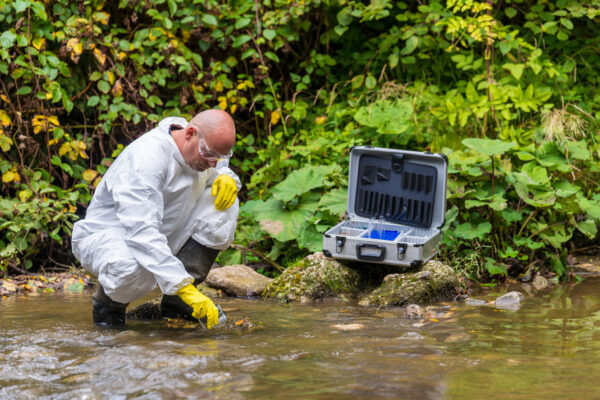
Clean, compliant potable water is often assumed rather than verified, until a single contamination event disrupts production, triggers an audit finding, or forces a costly shutdown. In regulated environments, water is a critical control point that quietly touches every stage of operations, from ingredient preparation to equipment sanitation. When that system fails, the impact is rarely isolated.
Understanding how potable water quality is defined, tested, and maintained is essential for any facility operating under food safety, pharmaceutical, or industrial compliance requirements. This article breaks down the standards, testing methods, and program structures that determine whether water is truly safe for use, not just safe on paper.
Key Takeaways
- Potable water is a process-critical input in regulated industries, meaning contamination can directly affect product safety, compliance status, and operational continuity.
- Municipal compliance does not guarantee facility-level safety, as internal distribution systems and point-of-use conditions can significantly alter water quality.
- Effective potable water testing must evaluate microbiological, chemical, physical, and emerging contaminants using risk-based sampling strategies.
- Regulatory frameworks like EPA, FDA, FSMA, and GFSI schemes define baseline expectations, but industry-specific requirements often demand more rigorous monitoring.
- A defensible monitoring program depends on clear specifications, accredited laboratories (ISO 17025), documented procedures, and ongoing trend analysis.
Why Potable Water Quality Matters in Industrial and Food-Grade Environments
Whether used as an ingredient, a cleaning medium, or a transport vehicle for chemicals and additives, water comes into contact with products, equipment, and surfaces throughout the production cycle. As a result, any compromise in water quality can create significant risks that extend well beyond the water system itself.
Water’s Role Across Industrial Processes
Potable water serves multiple functions in regulated environments:
- In food and beverage manufacturing, it may become part of the final product or be used to wash ingredients, sanitize equipment, and support processing operations
- In pharmaceutical and healthcare facilities, potable water often supplies cleaning systems, feeds purified water systems, and supports facility hygiene programs
- Manufacturing plants may use potable water for equipment cooling, rinsing, dilution, and other process applications.
Because water touches so many aspects of production, its quality has a direct impact on both product safety and operational reliability. Even minor contamination events can spread quickly through a facility and affect multiple production areas simultaneously.
The Consequences of Contaminated Water
When potable water becomes contaminated with microorganisms, chemicals, or particulates, the downstream effects can be severe. Contaminated water can introduce pathogens into products, create biofilm growth within distribution systems, and compromise sanitation processes designed to prevent contamination.
The consequences often include:
- Product contamination and potential recalls
- Failed environmental monitoring or quality assurance programs
- Regulatory citations and enforcement actions
- Audit findings that jeopardize certifications or customer approvals
- Production downtime and costly corrective actions
- Damage to brand reputation and customer trust
For facilities operating under strict regulatory frameworks, a single water-quality failure can trigger extensive investigations, documentation reviews, and remediation efforts.
Municipal Compliance Does Not Guarantee Facility Compliance
A common misconception is that municipally supplied drinking water automatically satisfies all facility-level potable water requirements. While municipal utilities are responsible for delivering water that meets public drinking water standards, their compliance obligations typically end at the service connection entering the facility.
Once water enters a building, the facility becomes responsible for maintaining water quality throughout its internal distribution system. Storage tanks, piping networks, dead legs, backflow risks, aging infrastructure, and point-of-use fixtures can all affect water quality after municipal treatment has occurred.
As a result, organizations must verify that water remains compliant within their own systems rather than relying solely on municipal water reports.
Why Point-of-Use Conditions Matter
Water quality at the point of use can differ significantly from the quality measured at the municipal source. As water travels through facility plumbing, it may encounter conditions that promote:
- Microbial growth
- Corrosion
- Sediment accumulation
- Chemical changes
Factors such as stagnant water, low-flow areas, inadequate maintenance, temperature fluctuations, and aging distribution systems can create localized contamination risks that are not reflected in municipal testing data. Faucets, production connections, wash stations, and other endpoints may therefore present water quality conditions that differ substantially from the water entering the facility.
This limitation in testing data makes routine potable water testing an essential component of any environmental monitoring, quality assurance, or compliance program. By evaluating water quality where it is actually used, facilities gain a more accurate understanding of potential risks and can take corrective action before those issues affect products, operations, or regulatory standing.
Understanding Potable Water Quality Standards
Potable water quality in regulated environments is governed by a layered framework of national regulations, international guidelines, and industry-specific standards. Together, these define what safe and acceptable water means, depending on its intended use, whether that be for human consumption, food processing, or pharmaceutical manufacturing support.
At the core of this framework in the United States are the Environmental Protection Agency’s drinking water standards (linked below), which establish baseline requirements for public water systems. However, many industrial and food-grade facilities must go further, adopting additional controls to ensure water remains suitable for process-critical applications.
U.S. Regulatory Framework: EPA Primary and Secondary Standards
The EPA standards are designed to protect public health and ensure acceptable water quality across municipal systems.
- National Primary Drinking Water Regulations (NPDWRs) establish legally enforceable limits for contaminants that pose known or potential risks to human health. These include microbiological hazards, chemical contaminants, and radiological substances. Public water systems must comply with these maximum contaminant levels (MCLs) to remain in operation.
- National Secondary Drinking Water Regulations (NSDWRs), by contrast, address aesthetic and operational characteristics such as taste, odor, color, and corrosivity. While not legally enforceable at the federal level, they are widely used as guidance for maintaining consumer acceptability and protecting infrastructure integrity.
Key EPA Primary Contaminant Categories
| Contaminant Category | Example Parameters | Typical Regulatory Focus (MCL Examples) |
| Microbiological | Total coliforms, E. coli | Zero tolerance for E. coli in drinking water |
| Disinfectants | Chlorine, chloramine | Maximum residual disinfectant levels to prevent overexposure |
| Disinfection Byproducts | Trihalomethanes (TTHMs), Haloacetic acids (HAAs) | Limits to reduce long-term cancer risk |
| Inorganic Chemicals | Lead, arsenic, nitrate | Strict MCLs due to toxicity and chronic exposure risks |
| Organic Chemicals | Benzene, pesticides | Low ppb-level limits due to carcinogenic potential |
| Radionuclides | Radium, uranium | Strict limits based on long-term radiation exposure risk |
Industry-Specific Potable Water Quality Standards
While EPA regulations define the baseline for public safety, regulated industries must also comply with sector-specific frameworks that govern how water is used within production environments.
In food and beverage manufacturing, the U.S. Food and Drug Administration (FDA) enforces water quality requirements under current Good Manufacturing Practices (cGMP). These rules ensure that water used in food contact, ingredient formulation, and equipment sanitation does not introduce contamination risks.
Under the Food Safety Modernization Act (FSMA), water is explicitly recognized as a potential source of contamination. Facilities must therefore assess water quality not only at intake but also during use, particularly where water contacts food surfaces, ingredients, or processing equipment.
Globally recognized food safety certification schemes such as those under the Global Food Safety Initiative (GFSI), including BRCGS, SQF, and FSSC 22000, further require documented verification of water quality as part of environmental monitoring and hazard control programs. During audits, potable water systems are often evaluated for both compliance and ongoing verification practices, not just initial certification status.
In addition, NSF/ANSI standards provide important guidance for water treatment systems, distribution components, and materials that come into contact with potable water. These standards help ensure that filtration systems, piping materials, and treatment technologies do not introduce contaminants or degrade water quality over time.
Together, these frameworks reinforce a key principle: meeting municipal drinking water standards is only the starting point. Facilities operating in regulated environments must continuously verify that potable water remains safe and fit for its intended use throughout the entire production and distribution system.
What Does a Potable Water Test Actually Measure?
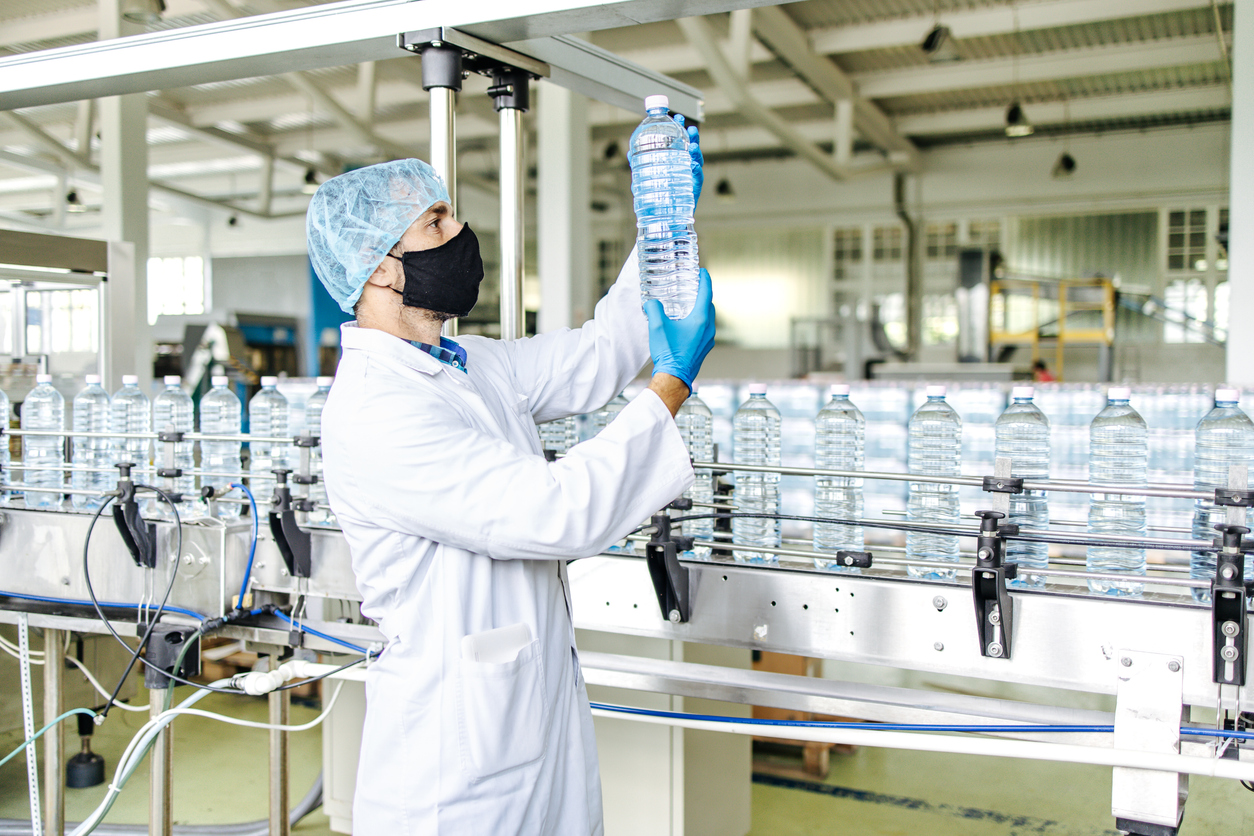
Potable water testing provides a detailed snapshot of both the safety and usability of water within a facility’s system. It goes beyond simple “clean or not clean” tests to evaluate microbial, chemical, and physical characteristics that can impact product quality, compliance status, and operational performance.
Microbiological Parameters
Microbiological testing focuses on detecting organisms that can indicate contamination or present direct health risks in potable water systems.
- Total coliform and E. coli are primary indicator organisms used to assess possible fecal contamination. The presence of E. coli is considered a direct signal of recent contamination and requires immediate corrective action in most regulated environments.
- Heterotrophic Plate Count (HPC) measures the general level of culturable bacteria in water. While not always directly linked to specific pathogens, elevated HPC levels can indicate biofilm formation, stagnation, or system hygiene issues.
- Legionella testing is particularly important for facilities with cooling towers, hot water systems, or complex distribution networks. Legionella pneumophila can proliferate in warm, stagnant water conditions and pose serious health risks through inhalation of aerosols.
Chemical and Physical Parameters in Potable Water Analysis
Chemical and physical testing evaluates the overall quality, stability, and suitability of water for industrial or food-grade use.
Key parameters include:
- pH: Indicates acidity or alkalinity, which can affect corrosion rates and chemical reactions in processes
- Turbidity: Measures water clarity and suspended particles, often linked to filtration performance
- Total Dissolved Solids (TDS): Reflects the concentration of dissolved minerals and salts
- Hardness: Primarily calcium and magnesium content, which can impact scaling and equipment efficiency
Heavy metals are also closely monitored due to their toxicity and potential for accumulation in food products or pharmaceutical systems. Common targets include lead, arsenic, copper, and chromium.
Disinfection-related compounds such as trihalomethanes (THMs) and haloacetic acids (HAAs) are byproducts of chlorination and must be controlled to minimize long-term exposure risks.
In food-grade environments, nitrates, nitrites, and other inorganic contaminants are also assessed due to their potential impact on product safety and regulatory compliance.
Common Potable Water Analysis Parameters
| Contaminant Class | Parameter | Typical Units | Regulatory / Reference Context |
| Microbiological | Total coliforms | CFU/100 mL | EPA NPDWR compliance indicator |
| Microbiological | E. coli | Presence/absence | Zero tolerance in drinking water |
| Microbiological | HPC | CFU/mL | Operational hygiene indicator |
| Physical | pH | pH units | Corrosion control range guidance |
| Physical | Turbidity | NTU | Filtration performance indicator |
| Physical | TDS | mg/L | Secondary standard guidance |
| Physical | Hardness | mg/L as CaCO₃ | Scaling and process impact |
| Heavy Metals | Lead | µg/L | EPA action level (health-based risk) |
| Heavy Metals | Arsenic | µg/L | Strict carcinogenic contaminant limit |
| Disinfection Byproducts | THMs | µg/L | Long-term exposure risk control |
| Disinfection Byproducts | HAAs | µg/L | Regulatory limit under EPA rules |
| Inorganics | Nitrates | mg/L | Agricultural runoff contamination indicator |
Emerging Contaminants of Concern
Modern potable water testing increasingly includes analysis of emerging contaminants that are not fully covered by traditional regulatory frameworks but pose growing concern for industrial and public health applications.
- PFAS/PFOA compounds (per- and polyfluoroalkyl substances) are under active regulatory review, with evolving EPA thresholds reflecting increasing awareness of their persistence and bioaccumulative nature.
- Microplastics are being studied as widespread environmental contaminants, with current monitoring focused on detection methods rather than enforceable limits.
- Pharmaceutical residues and endocrine-disrupting compounds are also gaining attention, particularly in water sources influenced by municipal discharge or industrial effluent. While often present at trace levels, their long-term effects and regulatory implications continue to evolve.
Together, these emerging parameters highlight a shift in potable water testing from basic compliance toward more comprehensive risk-based water quality management.
Testing Potable Water in Regulated Industries: Sector-Specific Considerations
Potable water testing requirements are not one-size-fits-all. Different industries apply distinct regulatory expectations based on how water is used within their processes and the level of risk associated with contamination. Understanding these sector-specific requirements is essential for designing an effective monitoring and compliance program.
Food and Beverage Manufacturing
In food and beverage production, potable water is often a direct ingredient, processing aid, and sanitation medium, making its quality a critical food safety control point. Regulatory expectations under FSMA and global certification schemes such as GFSI benchmarks (BRCGS, SQF, FSSC 22000) require facilities to ensure that water used in production does not introduce biological, chemical, or physical hazards.
When potable water quality deviates from established specifications, facilities are expected to initiate documented corrective actions, which may include product holds, system flushing, increased sampling frequency, or root cause investigations into distribution system integrity.
Water testing is also a key component of HACCP-based food safety plans, where it is typically classified as a prerequisite program or critical support control. Regular monitoring helps verify that water used in ingredient preparation, equipment cleaning, and surface sanitation consistently meets defined safety thresholds.
Pharmaceutical and Biotech Environments
Pharmaceutical and biotechnology facilities apply some of the most strict water quality expectations due to the direct impact on product safety and sterility. While potable water itself is not typically used in final formulations, it serves as the upstream feedstock for purified water systems.
Standards such as USP Purified Water and Water for Injection (WFI) define downstream water quality benchmarks that require extensive purification beyond potable supply. As a result, potable water monitoring plays an important role in validating the consistency and suitability of the incoming municipal or treated supply feeding these systems.
Key parameters in these environments often extend beyond basic potable water testing and may include total organic carbon (TOC) analysis and endotoxin monitoring, particularly where water systems support clean-in-place (CIP) or equipment sanitation processes.
Industrial Manufacturing and Commercial Facilities
In industrial manufacturing and large commercial buildings, potable water is commonly used for process cooling, steam generation, sanitation, and employee welfare systems. While not always directly incorporated into products, water quality still has a significant impact on equipment performance, operational efficiency, and occupational health.
Facilities must comply with both OSHA requirements related to safe working environments and EPA drinking water regulations, particularly where multiple internal distribution points create variable exposure conditions.
A key concern in these environments is Legionella risk management, especially in complex plumbing systems, cooling towers, and warm-water distribution loops. Water testing is often integrated into formal water management programs aligned with ASHRAE 188, which emphasizes routine monitoring, hazard analysis, and preventive control measures to reduce the risk of waterborne disease outbreaks.
Across all sectors, potable water testing serves as a foundational verification tool that links regulatory compliance with real-world operational safety.
Building a Defensible Potable Water Monitoring Program
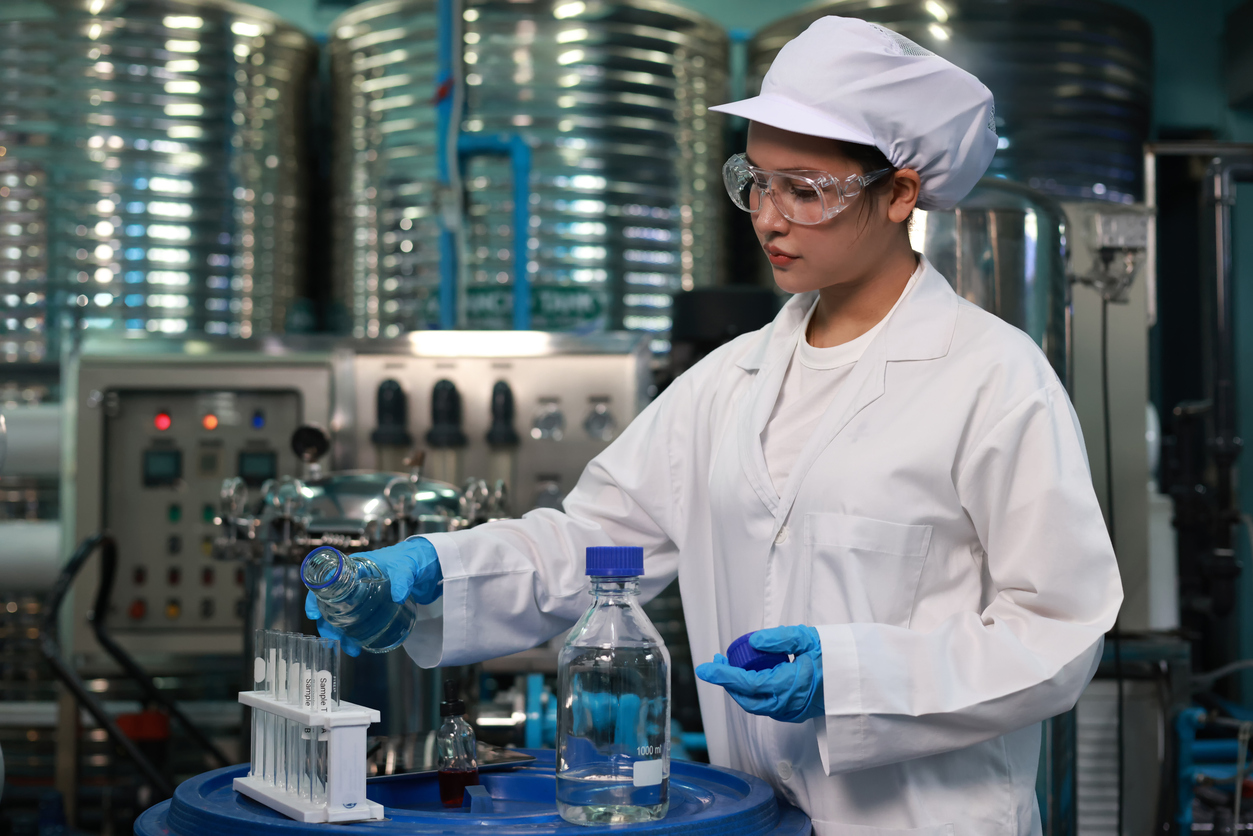
Building a defensible program requires clear scope definition, validated specifications, qualified laboratories, and disciplined record-keeping.
Defining Monitoring Scope
An effective program begins with defining where and how water will be sampled across the facility. While some organizations attempt to rely on limited sampling at entry points, this approach often fails to capture real variability within internal distribution systems.
A defensible strategy includes either:
- Comprehensive coverage of all water use points
- A risk-prioritized sampling plan that focuses on high-risk or high-contact locations such as production lines, ingredient mixing points, sanitation stations, and areas prone to stagnation
The chosen approach should be justified through a documented risk assessment that considers water usage, product exposure, and system complexity.
Establishing Written Specifications and Action Levels
Before testing begins, facilities must define clear potable water quality specifications and corresponding action or alert levels. These thresholds establish the difference between acceptable performance, early warning signals, and out-of-specification conditions requiring corrective action.
Without predefined criteria, test results lack context and cannot be reliably used for compliance decisions or trend analysis.
Vendor Qualification: Selecting a Potable Water Testing Laboratory
The reliability of a potable water monitoring program depends heavily on the quality of the testing laboratory. Vendor qualification should include evaluation of:
- Analytical capabilities for required microbiological and chemical parameters
- Method validation and adherence to recognized standard methods
- Sample handling, chain-of-custody procedures, and turnaround times
- Experience with regulated industries such as food, pharmaceutical, or industrial manufacturing
A laboratory should be treated as an extension of the facility’s quality system, not just a service provider.
Accreditation as a Non-Negotiable Requirement
For regulated environments, laboratory accreditation is essential. At a minimum, potable water testing should be performed by laboratories accredited to ISO 17025:2017, which confirms technical competence and validated testing methods.
Additional recognition, such as A2LA accreditation or certification by relevant state or national authorities, provides further assurance of quality and traceability. These accreditations are frequently reviewed during regulatory inspections and third-party audits.
Record-Keeping and Audit Readiness
A defensible program requires complete and well-organized documentation, including:
- Sampling plans and locations
- Chain-of-custody records
- Laboratory reports and raw data
- Corrective action records
- Trend analysis and review summaries
During audits, inspectors often focus as much on documentation integrity as on the test results themselves. Missing or inconsistent records can undermine even technically compliant water quality data.
Annual Program Review and Frequency Adjustment
Potable water monitoring programs should not remain static. Facilities are expected to conduct at least annual reviews of monitoring results to identify trends, recurring issues, or changes in system performance.
Based on these reviews, sampling frequency, locations, or parameter lists may need to be adjusted. This ensures the program remains aligned with actual risk conditions rather than outdated assumptions.
Potable Water Monitoring Program Components
| Program Element | Description | Regulatory / Industry Basis | Documentation Requirement |
| Monitoring Scope | Defines sampling locations and frequency across the facility | Risk-based quality systems (FSMA, GMP, ISO) | Sampling plan and risk assessment |
| Water Specifications | Establishes acceptable limits for microbial, chemical, and physical parameters | EPA, FDA, USP, GFSI schemes | Written potable water standards |
| Action Levels | Defines alert and failure thresholds for corrective action | GMP corrective action expectations | SOPs and escalation procedures |
| Laboratory Qualification | Ensures competent, validated testing provider | ISO 17025, audit requirements | Vendor approval records |
| Sample Collection & Chain of Custody | Ensures sample integrity from site to lab | ISO standards, audit traceability | Chain-of-custody forms |
| Corrective Actions | Defines response to out-of-spec results | FSMA, GMP, ISO 22000 | Deviation and CAPA records |
| Trend Analysis | Identifies patterns and emerging risks over time | Preventive control systems | Trend reports and reviews |
| Program Review | Periodic reassessment of effectiveness | Continuous improvement requirements | Annual review documentation |
Conclusion: How TRI Air Testing Supports Potable Water Quality Programs
Potable water quality is a critical component of regulatory compliance, product safety, and operational reliability. While municipal water systems provide an important foundation, facilities remain responsible for verifying that water remains safe and compliant throughout their own distribution networks and points of use.
TRI Air Testing supports this effort through comprehensive potable water testing services for food and beverage manufacturers, pharmaceutical and biotech facilities, healthcare organizations, and industrial operations. From microbiological contaminants such as E. coli, coliforms, and Legionella to chemical and physical water quality parameters, TRI provides the data needed to assess risk and demonstrate compliance.
Backed by decades of experience serving regulated industries, TRI Air Testing combines accredited laboratory expertise with fast turnaround times and clear, actionable reporting.
Ready to strengthen your potable water monitoring program? Contact TRI Air Testing today to discuss your testing needs and discover how accredited water analysis can help support compliance, audit readiness, and long-term operational confidence.




Related Articles

Compressed Air and Food Quality
High-quality compressed air is critical for providing food products that are not only cost effective...
Cheers to 2012!
Are you stocking up on food and drinks for New Year’s Eve or FOOTBALL parties?...
Chocolate and Compressed Air
Chocolate rarely needs help getting off the shelf, but special days associated with chocolate (Easter,...
